

KEY POINTS
• Tinubu departed Lagos for Europe on Sunday as part of his year end break
• He will later travel to Abu Dhabi at the invitation of UAE President Sheikh Mohamed bin Zayed
• The Nigerian leader is expected back in the country after the sustainability summit
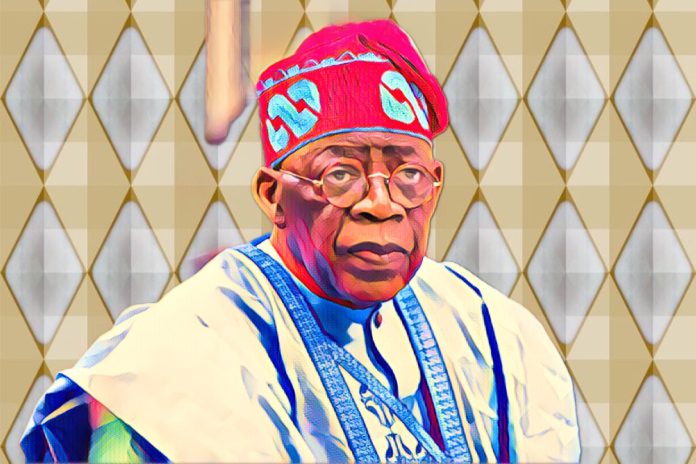
President Bola Tinubu on Sunday departed Lagos for Europe, extending his year end break ahead of a scheduled official engagement in the United Arab Emirates, according to the presidency.
The trip marks the first leg of Tinubu’s international travel before he proceeds to Abu Dhabi in early January to attend the 2026 Abu Dhabi Sustainability Week summit, one of the world’s flagship gatherings on climate action, energy transition and sustainable development.
Bayo Onanuga, the president’s spokesman, confirmed the travel plans in a statement issued on Sunday, noting that the European visit comes before Tinubu’s participation in the summit at the invitation of the UAE leadership.
Invitation from UAE president
Onanuga said the Nigerian leader was invited by Sheikh Mohamed bin Zayed Al Nahyan, President of the United Arab Emirates, to take part in the 2026 edition of the Abu Dhabi Sustainability Week summit, which will be held in the emirate in early January.
The annual event brings together heads of state, policymakers, business leaders, investors and civil society actors to discuss strategies for addressing climate change, advancing clean energy and accelerating inclusive economic growth.
Organisers describe the summit as a platform for aligning policy, finance and innovation around global sustainability goals, with a strong focus on practical solutions and partnerships.
Focus on innovation and development
This year’s summit carries the theme “The Nexus of Next: All Systems Go,” reflecting an emphasis on linking ambition with action across technology, finance and human capital.
Discussions are expected to centre on renewable energy, climate finance, resilient infrastructure and the role of emerging economies in shaping a sustainable global future.
Nigeria has increasingly positioned itself as an active participant in international conversations on energy transition and climate adaptation, particularly as it balances development needs with commitments to reduce emissions and expand clean energy access.

