

Key Points
-
Lawmakers question authenticity of newly gazetted tax laws
-
Students threaten nationwide protests over January rollout
-
Abuja court fast tracks hearing on tax law dispute
Tension over Nigeria’s newly passed tax laws rose on Monday. Opposition lawmakers in the House of Representatives called for an immediate pause in implementation.
According to the Minority Caucus, the tax laws now in circulation may not reflect what lawmakers approved or what President Bola Tinubu signed. As a result, they warned that enforcement could breach the Constitution and erode public trust.
Claims of Altered Documents Spark Alarm
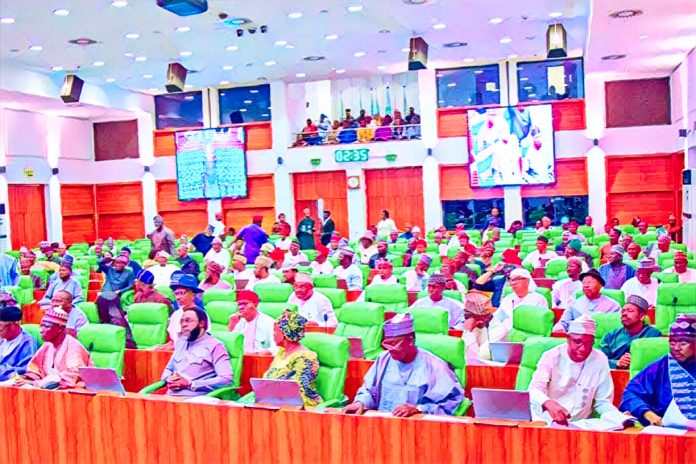
Earlier this month, Abdussamad Dasuki, who represents Kebbe and Tambuwal federal constituency in Sokoto State, raised the issue during plenary.
He told colleagues that the tax Acts passed by the National Assembly appeared different from the versions later gazetted by the Federal Government. In addition, he alleged that changes were made without legislative approval.
Because of the claims, the House set up a seven member ad hoc committee. Muktar Betara of Borno State chairs the panel, which is expected to investigate and report back.
Minority Caucus Seeks Immediate Suspension
In a joint statement, Minority Leader Kingsley Chinda and other caucus leaders urged the Federal Government to halt implementation until the investigation ends.
They said the National Assembly remains the lawful custodian of all laws it passes. Therefore, the caucus advised Nigerians to treat any unauthenticated tax law documents with caution. According to them, altered texts weaken democratic processes.
Students Warn of Nationwide Protests
Meanwhile, the National Association of Nigerian Students joined the opposition. The group warned it would mobilise protests if the government proceeds with implementation on January 1, 2026.
In a statement signed by its president, Olushola Oladoja, the association said the public lacks clear information about the reforms. It added that authorities should not enforce a law still under investigation.
Anger Over Poor Public Awareness
Student leaders also criticised the Federal Inland Revenue Service. They accused the agency of failing to carry out broad and inclusive public education.
Instead, they argued, officials relied on selected social media influencers. As a result, many Nigerians remain unclear about how the new tax laws could affect their daily lives. The group described the approach as disconnected from ordinary households.
Government Holds Firm on January Deadline
Still, the Federal Government held its ground. After meeting with President Tinubu, Taiwo Oyedele, chairman of the Presidential Committee on Fiscal Policy and Tax Reforms, confirmed that implementation remains on track for January 1, 2026.
Court Moves Quickly on Legal Challenge
At the same time, the dispute entered the courts. On Monday, the Federal Capital Territory High Court in Abuja granted accelerated hearing in a suit challenging the authenticity of the tax laws and their start date.
The court declined to halt implementation for now. However, it ordered that all parties be notified. The case resumes on Wednesday.

