

KEY POINTS
- The massacre of 162 villagers in Kwara State was a retaliatory attack by extremist groups.
- The attack involved the rounding up and execution of bound civilians.
- The event has triggered presidential condemnation and military vows of retaliation
The quiet, agrarian communities in Kwara State became the latest epicentre of Nigeria’s protracted security nightmare this week, as the grim tally from a coordinated attack rose to 162 confirmed dead.
In a harrowing official statement, the Nigerian Army revealed the assault was a punitive response, directly triggered by the villagers’ courageous and unified rejection of extremist ideology.
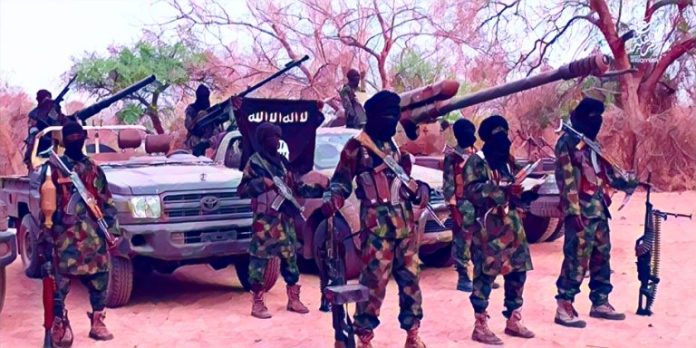
For weeks, shadowy jihadist elements, whose affiliations are under investigation, had been encroaching on the region, pressuring residents to renounce the Nigerian state and submit to a harsh, alien interpretation of Sharia law.
They demanded not just compliance, but active allegiance, seeking to erase the principles of democratic coexistence that defined the villagers’ way of life.
The community, however, stood firm. Bound by a shared commitment to peace and national unity, they collectively spurned the extremists’ poisonous narrative, a act of defiance that would mark them for vengeance.
The retaliation was swift and merciless. In the dead of night, armed militants descended upon the settlements.
Residents were rounded up, their hands bound, and subjected to a cold, systematic execution. The attack was not a random act of violence but a calculated massacre designed to terrorise and punish, sending a chilling message to other communities that might consider resistance.
The aftermath revealed scenes of utter devastation, plunging families into unimaginable grief and leaving the nation reeling.
President Tinubu Condemns Kwara Attack
President Bola Tinubu, addressing the nation from Abuja, condemned the killings as “cowardly and barbaric,” vowing that the perpetrators would be hunted down and face the full weight of justice.
The Nigerian Army, praising the villagers’ “unwavering commitment,” has pledged to intensify counter-terrorism operations in the region.
Yet, the massacre underscores a terrifying reality for countless rural communities caught between the state’s struggling security apparatus and the advancing tide of insurgent violence.
It raises urgent questions about the reach of extremist groups beyond their traditional strongholds and the tangible protection offered to citizens who courageously side with the government.
Beyond the immediate horror, the Kwara massacre has ignited a profound national introspection. It stands as a stark, bloody monument to the dangers of ideological extremism and the fragile state of Nigeria’s social fabric.
As the nation mourns, the incident amplifies calls for a more robust, unified strategy that combines security force efficacy with deeper investments in community resilience and deradicalisation programs.

