

HomeNewsSenate Schedules Emergency Plenary as E-Transmission Debate Intensifies

Senate Schedules Emergency Plenary as E-Transmission Debate Intensifies

Published on


KEY POINTS


  • The Senate will hold an emergency plenary on Tuesday, February 10, following directives from Senate President Godswill Akpabio.

  • The sitting comes amid intense debate over electronic transmission of election results in the Electoral Amendment Bill.

  • Lawmakers retained provisions of the 2022 Electoral Act, rejecting real-time transmission and stricter penalties for vote buying.


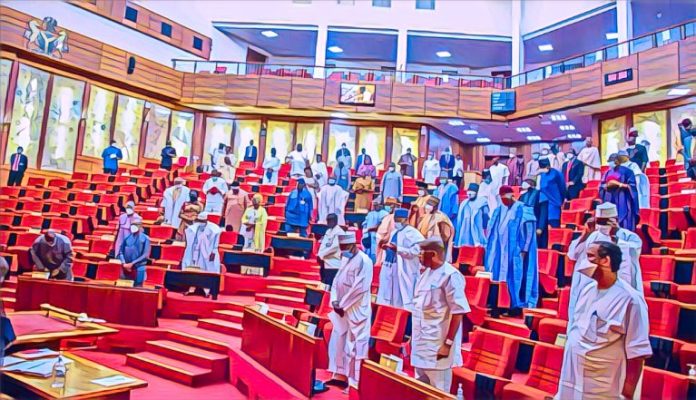
The Senate has scheduled an emergency plenary session for Tuesday, February 10, 2026, amid mounting pressure over provisions on the electronic transmission of election results.

In a notice issued on Sunday, the Clerk, Emmanuel Odo, said the sitting was convened on the directive of Senate President, Godswill Akpabio. According to the notice, the emergency session will hold at 12 noon in the Senate Chamber.

“All distinguished senators are kindly requested to note this emergency sitting date and attend,” the notice stated.

The emergency plenary comes as public debate continues over Clause 60(3) of the Electoral Amendment Bill, which addresses the electronic transmission of election results.

Last Wednesday, the Senate retained provisions allowing electronic transfer of results, as contained in the Electoral Act 2022, despite calls for stronger reforms.

Senate Rejects Real-Time Transmission Proposals

During deliberations, the upper chamber rejected proposals for real-time transmission of election results and a 10-year ban on vote buying. Instead, lawmakers opted to maintain existing penalties, including fines or jail terms, for electoral offences.

Some senators have since clarified that the bill received the backing of the majority of lawmakers.

Despite advocacy for real-time electronic transmission, the Senate retained the existing wording of the 2022 Electoral Act, which allows results to be transmitted “in a manner as prescribed by the commission,” leaving implementation at the discretion of the Independent National Electoral Commission, INEC.

Latest articles

From Ifangni to Ilasamaja: How a 10-year-old “tiling apprentice” ended up mixing cement instead of going to school

A 10-year-old from Benin Republic works and sleeps on a Lagos construction site, showing how poverty, migration and informal apprenticeship push children out of school.

Why nutritionists say Nigerians should stop boiling eggs and rice in the same pot

Nigerian dietitians warn that boiling unwashed eggs with rice in one pot can transfer Salmonella and E. coli from the shells to the grains, risking foodborne illness.

“He suffered because he was poor”: Lawyers say police broke the law by detaining Oyo student over N8,000

New details show the N8,000 debt Oyo police said was irrelevant appears on Al-Amin Mohammed's charge sheet, as lawyers say detaining a debtor is illegal.

Plateau women block Jos-Mangu highway after gunmen kill three vigilantes, including youth leader, on night patrol

Women and youths in Kassa community, Barkin Ladi, blocked the Jos-Mangu highway for hours on Friday after gunmen killed three vigilantes, including the youth leader.

More like this

From Ifangni to Ilasamaja: How a 10-year-old “tiling apprentice” ended up mixing cement instead of going to school

A 10-year-old from Benin Republic works and sleeps on a Lagos construction site, showing how poverty, migration and informal apprenticeship push children out of school.

Why nutritionists say Nigerians should stop boiling eggs and rice in the same pot

Nigerian dietitians warn that boiling unwashed eggs with rice in one pot can transfer Salmonella and E. coli from the shells to the grains, risking foodborne illness.

“He suffered because he was poor”: Lawyers say police broke the law by detaining Oyo student over N8,000

New details show the N8,000 debt Oyo police said was irrelevant appears on Al-Amin Mohammed's charge sheet, as lawyers say detaining a debtor is illegal.