

KEY POINTS
- Equatorial Guinea stake shifts from Atlas to GEPetrol.
- Equatorial Guinea stake change unlocks Aseng gas project.
- Equatorial Guinea stake loss highlights funding pressures.
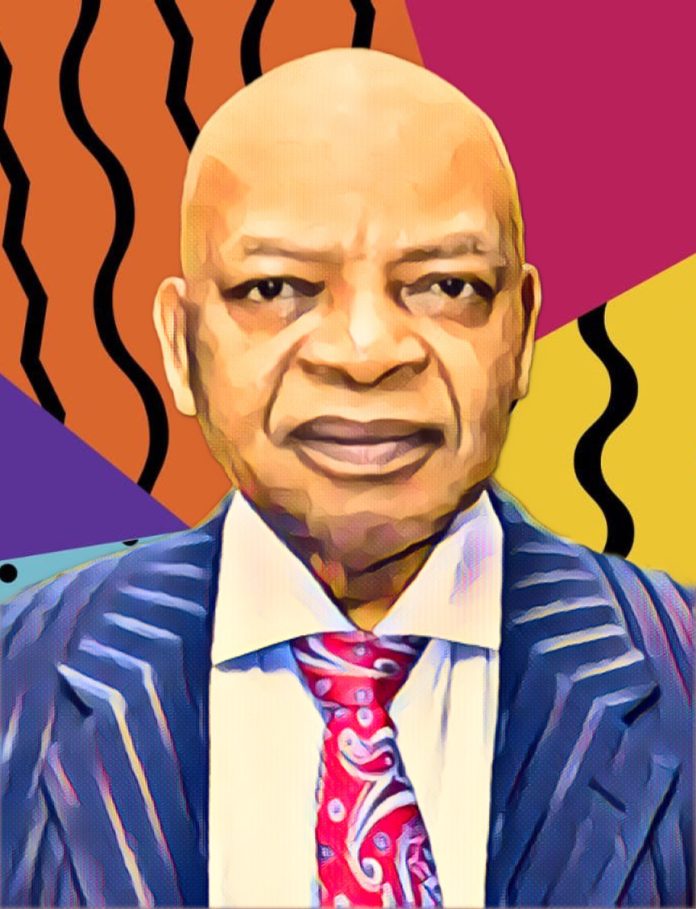
Arthur Eze, the Nigerian oil entrepreneur whose Oranto Group built a wide presence across Africa’s upstream sector, has lost a key foothold in Equatorial Guinea after his affiliate Atlas Petroleum forfeited its stake in a strategic offshore block following a payment dispute with Chevron.
Atlas held a 27 percent interest in Block I, which contains the Aseng field and is critical to Equatorial Guinea’s plans to sustain gas supplies to its export system. That stake has been taken over by state-owned GEPetrol, which already owned 5 percent, according to people familiar with the transaction and details in the project documentation.
The transfer clears the way for Chevron, the U.S. major that operates Block I, to move forward with a long-delayed investment decision on the Aseng Gas Monetization Project, a multibillion-dollar development seen as vital to the country’s energy strategy.
Equatorial Guinea stake dispute reshapes project control
Chevron had accused Atlas of failing to meet cash call obligations tied to the licence and had been seeking an exit arrangement for months. The operator and the government ultimately opted to remove the Nigerian firm rather than risk delays to a project regarded as strategically important.
Equatorial Guinea relies heavily on steady gas flows to the EGLNG plant on Bioko Island, an export facility that has grown in importance as mature fields decline and competition for capital intensifies across the region.
Under the revised ownership structure, Chevron will carry GEPetrol’s enlarged interest during development. The operator will recover the funds advanced to the state company from future gas output, allowing the project to move forward without placing immediate budgetary pressure on Malabo.
Block I also includes commodities trader Gunvor among its partners, reflecting the blend of producers and marketers typically involved in liquefied natural gas supply chains.
Equatorial Guinea stake loss highlights funding risks
Officials signed a development agreement in Malabo on January 30 to outline plans to pipe gas from Aseng to the Punta Europa complex. Chevron’s vice president, Bernardo Cuaresma Lobe, and Jim Swartz, head of Chevron Nigeria, represented the company, while Equatorial Guinea’s Minister of Hydrocarbons, Antonio Oburu, signed on behalf of the government.
Atlas had maintained it would settle its outstanding obligations and indicated it might secure financing through trader Vitol. People briefed on the talks said the funding failed to materialise, prompting the state to step in.
According to Billionaires Africa, Eze, a prominent figure in Nigerian business and political circles, has expanded Oranto across multiple African jurisdictions. The Equatorial Guinea outcome underscores the vulnerability of privately held minority partners in capital-intensive projects when funding plans fall short.
Chevron is also backing cross-border efforts to align development of Cameroon’s Yoyo and Yolanda gas fields with Punta Europa. A unitisation agreement for the fields was signed on Feb. 3, reinforcing the regional push to keep gas flowing.

