

KEY POINTS
- Nigeria religious freedom violations prompt US sanctions bill.
- Bill proposes visa bans and asset freezes.
- Nigeria religious freedom violations linked to policy review.
Five members of the U.S. House of Representatives have introduced legislation that could impose visa bans and asset freezes on named Nigerian individuals and groups over alleged Nigeria religious freedom violations, including attacks on Christians.
The proposed measure, titled the Nigeria Religious Freedom and Accountability Act of 2026, was sponsored by Chris Smith, Riley Moore, Brian Mast, Mario Diaz-Balart and Bill Huizenga. The bill would require the U.S. Secretary of State to provide regular reports to Congress assessing Nigeria’s compliance with international religious freedom standards and steps taken to protect vulnerable communities.
If passed, the legislation would mandate consideration of targeted sanctions under the Global Magnitsky Human Rights Accountability Act, alongside expanded humanitarian and security measures.
Nigeria religious freedom violations cited in bill
The lawmakers cited estimates that between 50,000 and 125,000 Christians were killed from 2009 to 2025 and that more than 19,000 churches were destroyed. They also referenced attacks in Yelwata, Christmas Eve assaults in 2023 and 2024, and incidents during Holy Week and Easter in 2024 and 2025, which they said left thousands dead and displaced more than half a million people.
According to the sponsors, Nigeria accounts for 72% of Christians killed worldwide, citing data from Open Doors’ 2026 Watch List.
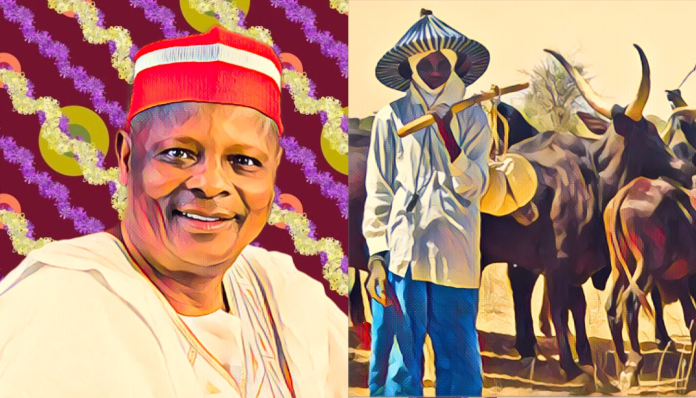
The bill identifies former Kano State governor Rabiu Musa Kwankwaso, the Miyetti Allah Cattle Breeders Association of Nigeria (MACBAN), and Miyetti Allah Kautal Hore as individuals and groups lawmakers will consider for sanctions. It also calls for a determination on whether certain Fulani-ethnic militias meet the criteria for designation as Foreign Terrorist Organisations.
The sponsors argued that Nigeria has struggled to prevent or adequately respond to religiously motivated violence and has failed to hold perpetrators accountable in some cases.
Nigeria religious freedom violations shape US policy debate
Under the proposed legislation, the Departments of State and Treasury would impose visa restrictions and asset freezes on individuals or entities responsible for severe religious freedom violations in Nigeria, or report to Congress if they fail to take such measures.
The bill also proposes that the Nigerian government co-fund humanitarian assistance delivered through civil society and faith-based organisations operating in the Middle Belt states. Lawmakers urged coordination with international partners including France, Hungary and the United Kingdom to promote religious tolerance and peace.
The sponsors said future U.S.–Nigeria relations would depend in part on how Abuja responds to concerns over religious violence, noting Nigeria’s strategic role in stabilising the Sahel and deepening security cooperation with Washington. The legislation will proceed through committee review before any vote in Congress.

