

KEY POINTS
- Kwankwaso US sanctions proposal rejected by NNPP.
- Party calls Kwankwaso US sanctions politically motivated.
- Kwankwaso US sanctions debate linked to religious freedom bill.
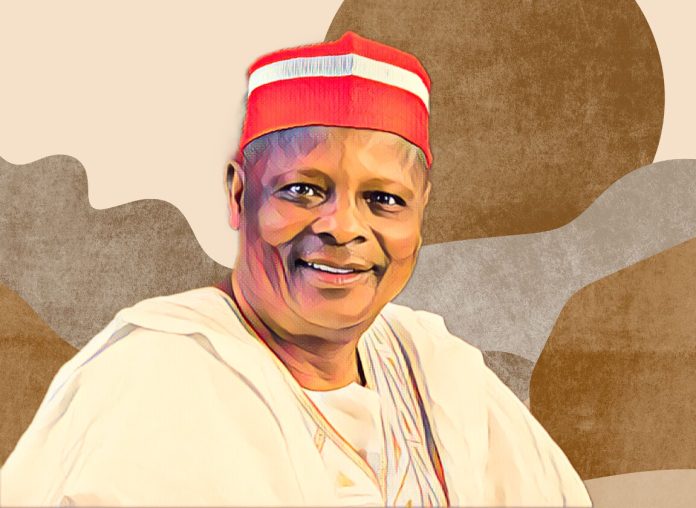
The Kwankwassiya movement and the New Nigeria Peoples Party have rejected a proposal in the US Congress recommending visa restrictions and asset freezes against their leader, Senator Rabiu Musa Kwankwaso, describing the move as politically motivated and based on selective judgment.
Their response follows the introduction of the Nigeria Religious Freedom and Accountability Act of 2026, a bill that proposes sanctions against Kwankwaso, Miyetti Allah groups and alleged Fulani militias over claims of religious persecution in Nigeria.
The proposed legislation, sponsored by Representative Riley Moore and other lawmakers, seeks to impose targeted sanctions on individuals accused of severe religious freedom violations and to mandate annual assessments of Nigeria’s compliance with international standards.
Kwankwaso US sanctions proposal draws backlash
Spokesman of the Kwankwassiya movement, Mansur Kurugu, said the group received news of the Kwankwaso US sanctions proposal with surprise and was reviewing its implications.
“We received the information just like any other Nigerians with shock,” Kurugu said, adding that a detailed statement would follow after internal consultations.
The NNPP described the proposal as an attempt to tarnish the image of its national leader. National Publicity Secretary Ladipo Johnson said Kwankwaso had no link to religious extremism and questioned why he was singled out.
“We see this development as a contrived action against an innocent man,” Johnson said, arguing that Kwankwaso’s public record does not support allegations of involvement in religious persecution.
Kwankwaso US sanctions debate widens
The party also raised concerns about fairness, noting that other northern governors who introduced Sharia law were not named in the proposed sanctions. Johnson asked whether the focus on Kwankwaso reflected political targeting, particularly given his role as an opposition figure.
NNPP officials said that Kwankwaso’s 2023 presidential ticket, which includes Christian cleric Isaac Idahosa as his running mate, showed that people of different religions can work together in politics. They also cited his tenure as governor of Kano State, saying he maintained working relationships with Christian leaders.
The US bill, if enacted, would require the State and Treasury departments to consider Global Magnitsky sanctions and review whether certain armed groups qualify for terrorist designation. It also calls for expanded humanitarian assistance and closer monitoring of religious freedom conditions in Nigeria.
Finally, there are reports that Kwankwaso is not in the country. His supporters say that the Kwankwaso US sanctions proposal is not based on facts and is instead based on political reasons rather than a real investigation.

