

KEY POINTS
- Nigeria pipeline infrastructure needs security overhaul.
- Nigeria pipeline infrastructure critical to cost efficiency.
- The reform linked to pricing stability.
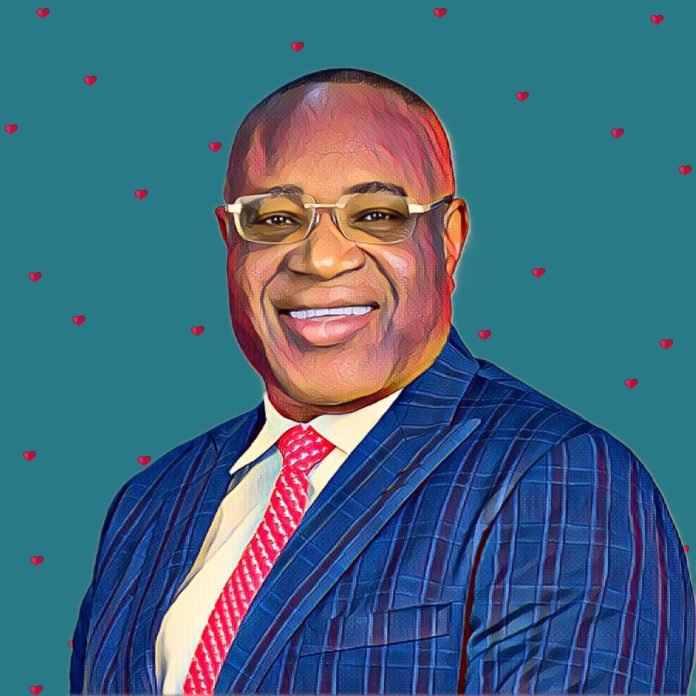
Gabriel Ogbechie, founder and group managing director of Rainoil Limited, called for a revival of Nigeria pipeline infrastructure and more predictable pricing policies, arguing that both are critical to unlocking sustainable growth in the country’s energy sector.
Speaking at the Midstream and Downstream Transformation Debate at the Nigerian International Energy Summit in Abuja, Ogbechie said infrastructure reform and disciplined market practices must underpin efforts to strengthen domestic value creation.
He said Nigeria pipeline infrastructure remains central to connecting supply with demand, supporting industrial expansion and safeguarding energy security, but warned that neglect and insecurity have weakened its effectiveness.
Nigeria pipeline infrastructure seen as backbone
Ogbechie said Nigeria already possesses an extensive underground pipeline network linking major cities and former refinery hubs. However, vandalism and crude theft have undermined confidence in pipeline operations and reduced efficiency.
Furthermore, he called for intelligence-driven monitoring and stricter enforcement of existing laws to protect critical assets, warning that without improved security and accountability, new investments would struggle to deliver returns.
Heavy reliance on road haulage, he added, has compounded inefficiencies. Transporting fuel by truck across long distances raises distribution costs, damages highways and increases safety risks. Pipelines, he said, offer a more efficient and secure alternative.
Nigeria pipeline infrastructure tied to pricing reform
Ogbechie also described the emergence of the Dangote Refinery as a structural shift in the downstream market, marking a departure from decades of dependence on imports caused by underperforming state-owned refineries.
As domestic refining capacity expands, he said, cooperation between refiners and marketers will be essential to ensure the benefits of reform are sustained.
He cautioned that pricing frameworks must remain transparent and equitable. Unpredictable or uneven pricing, he argued, could distort competition, discourage capital inflows and weaken investor confidence.
“Investors require clarity and confidence to commit capital,” he said, adding that policies should balance the interests of producers, marketers and consumers while providing stability for long-term planning.
Ogbechie also expressed support for the Nigerian Midstream and Downstream Petroleum Regulatory Authority, saying firm and impartial regulation is necessary in a market that increasingly resembles an oligopoly.
According to Billionaires Africa, Rainoil has further expanded its footprint in storage depots, retail outlets and liquefied petroleum gas facilities, positioning the company across the downstream value chain as Nigeria’s energy market undergoes transition.

