

KEY POINTS
- El-Rufai arrest claim dismissed by Adeyanju.
- The arrest claim described as exaggerated.
- El-Rufai arrest claim fuels investigation debate.
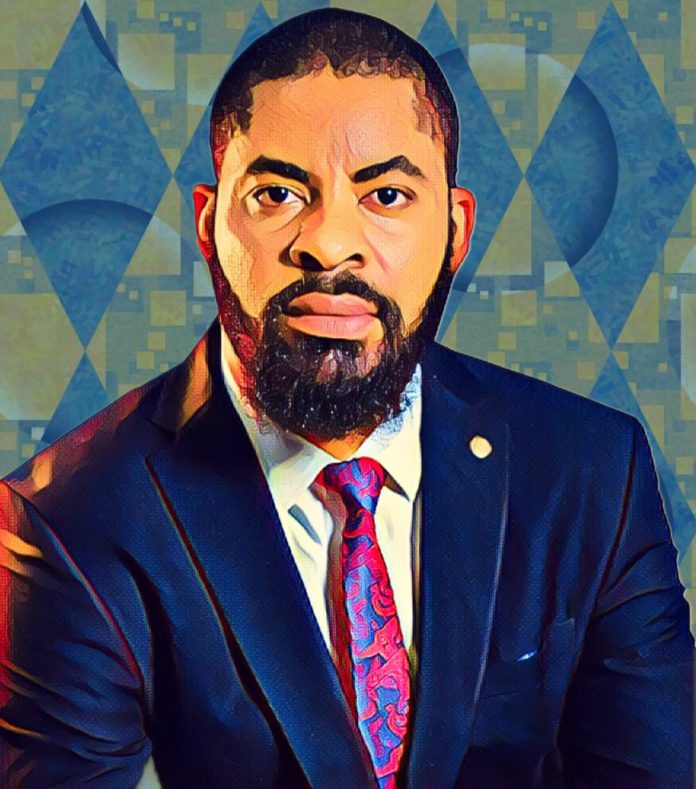
Civil rights lawyer Deji Adeyanju has dismissed claims that security operatives attempted to arrest former Kaduna State governor Nasir El-Rufai at Abuja’s Nnamdi Azikiwe International Airport, describing the episode as overstated.
Speaking on Friday, Adeyanju said video clips circulating online did not persuade him that anyone had attempted to detain El-Rufai unlawfully. “I do not believe anyone planned to arrest him,” he said, arguing that those involved staged the situation to attract public attention rather than enforce the law.
El-Rufai arrest claim questioned
Adeyanju said security agents may have sought to seize El-Rufai’s passport rather than detain him, adding that such action could fall within existing legal powers if the former governor was on a watch list.
“I think they wanted to target his passport, and the DSS actually got his passport,” he said. “Nobody planned to arrest him. If there was a plan to arrest him, they would have arrested him.”
He noted that Nigerian law allows arrest on probable cause or with a warrant, describing probable cause as a recognised legal basis for security action.
At the same time, Adeyanju said the constitution prohibits unlawful detention and urged authorities to condemn it. “Authorities must respect his rights and must not violate them, but they should investigate him,” he said.
Arrest controversy widens
El-Rufai had claimed that security operatives sought to detain him without lawful authority. Adeyanju countered that the former governor had acknowledged being aware that agencies including the Economic and Financial Crimes Commission and the Independent Corrupt Practices and Other Related Offences Commission were seeking to question him.
“If these agencies were looking for you and you are aware, why are you creating the drama there?” he asked. Adeyanju also rejected claims of political persecution, saying people should not equate investigations with guilt. “Investigators must first establish a prima facie case before they charge him,” he said. Then he will have his day in court,” he said.
The exchange adds to a growing public debate over the El-Rufai arrest claim and the broader question of accountability for former public office holders.

