

KEY POINTS
-
Shettima represented Nigeria at the African Union summit in Ethiopia and has now returned to Abuja.
-
He met global leaders including the UN chief, who urged Nigeria to lead Africa’s push for a new global order.
-
The vice president called for African nations to build self-sufficient health systems instead of relying on foreign aid.
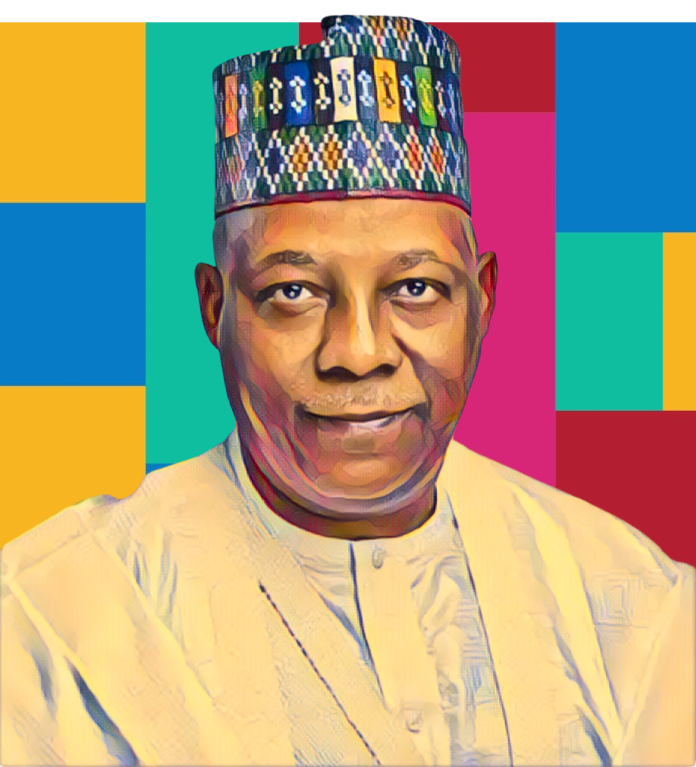
Nigeria’s Vice President Kashim Shettima has returned to Abuja after representing President Bola Tinubu at the 39th Ordinary Session of the Assembly of Heads of State and Government of the African Union and the 30th AU General Assembly held in Addis Ababa.
His return was confirmed in a statement issued by his Senior Special Assistant on Media and Communications, Stanley Nkwocha. During the summit, Shettima participated in high-level meetings, side events, and bilateral discussions with political and business leaders aimed at strengthening Nigeria’s diplomatic, economic, and strategic partnerships across Africa.
The summit, themed “Assuring Sustainable Water Availability and Safe Sanitation Systems to Achieve the Goals of Agenda 2063,” brought together African leaders to advance commitments on water sustainability, sanitation infrastructure, and long-term continental development.
Shettima used the platform to engage counterparts on regional cooperation and shared development priorities, reinforcing Nigeria’s role in continental decision-making and policy direction.
Talks with global leaders highlight Nigeria’s influence
On the sidelines of the gathering, Shettima met with António Guterres, Secretary-General of the United Nations, who encouraged Nigeria to take a leading role in advocating for a restructured global order. Guterres described the country as uniquely positioned to help guide Africa toward stronger geopolitical relevance and influence.
The discussions underscored Nigeria’s strategic importance in global diplomacy and its potential to shape continental priorities in areas such as economic development, governance, and international cooperation.
During his engagements, Shettima stressed the need for Africa to achieve health security sovereignty, urging countries to reduce reliance on foreign aid and develop resilient, locally driven healthcare systems.
He argued that the continent’s health outcomes should not be dependent on distant supply chains or shifting international crisis priorities, emphasizing that sustainable development requires investment in domestic medical infrastructure and manufacturing capacity.
The vice president’s latest trip adds to an extensive diplomatic schedule since taking office. He has spent about 73 days abroad across 22 trips to 16 countries, covering more than 43,000 nautical miles and logging over 93 flight hours.
Destinations he has visited include Italy, Russia, South Africa, Cuba, China, the United States, Switzerland, Côte d’Ivoire, Kenya, Sweden, Azerbaijan, Liberia, Ethiopia, and Guinea, reflecting Nigeria’s active engagement in global diplomacy.

