

KEY POINTS
- Senator Barinada Mpigi died at 64 after a brief illness.
- He served in the National Assembly from 2011 to 2026, including as Senate Works Committee Chairman.
- Governor Siminalayi Fubara and others described him as a major political figure and community advocate.
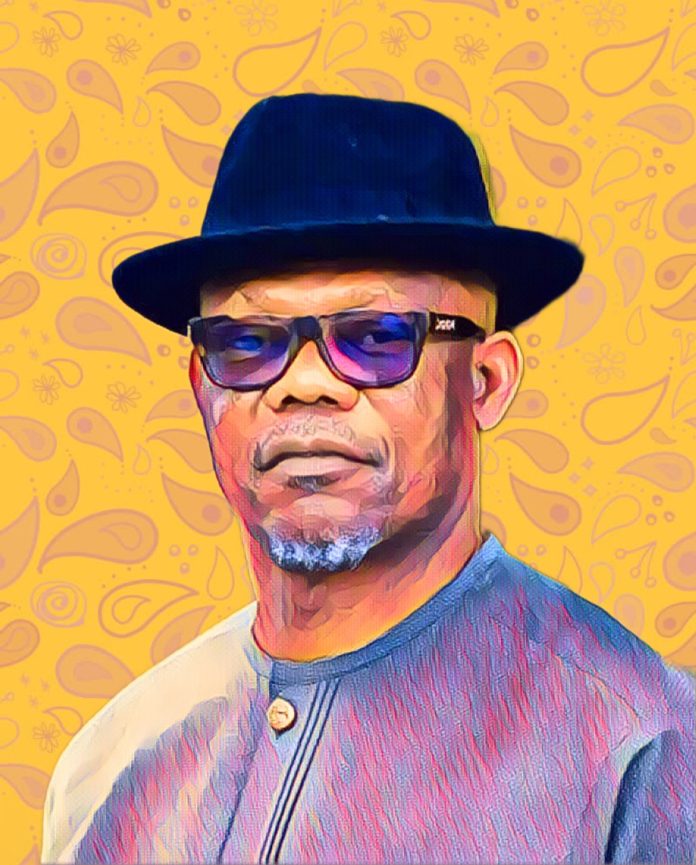
Senator Barinada Mpigi, who represented Rivers South-East Senatorial District in the National Assembly, has died at the age of 64 following a brief illness, bringing an abrupt end to a long and impactful political career.
Mpigi was widely regarded as one of the most experienced lawmakers from Rivers State, having spent more than ten years in national legislative service.
He first entered federal politics in 2011 when he was elected to the House of Representatives, where he served two consecutive terms until 2019.
He was subsequently elected to the Nigerian Senate, representing Rivers South-East from 2019 until his passing in 2026.
During his tenure in the Senate, Mpigi chaired the Senate Committee on Works, a strategic position responsible for oversight of federal road infrastructure and public works nationwide.
In that role, he was involved in legislative supervision and advocacy for road development projects considered vital to economic growth and regional connectivity.
Mpigi is a grassroot politician
Beyond his parliamentary responsibilities, Mpigi earned a reputation as a grassroots politician deeply invested in community development.
He was known for educational support programs, scholarships, and empowerment initiatives aimed at improving livelihoods within his constituency. Colleagues and constituents often described him as approachable, pragmatic, and committed to public service.
Reacting to his death, Rivers State Governor Siminalayi Fubara expressed shock and sorrow, paying tribute to the late senator as a “brother, consummate politician, and leading light” whose influence and dedication left a lasting mark on the state’s political landscape.
Mpigi’s passing represents a significant loss not only to Rivers South-East but also to Nigeria’s legislative community, where he was respected for his experience, institutional knowledge, and steady voice on development issues.

