

Key Points
-
US and Israel killed Iran’s supreme leader and senior military commanders.
-
Iran retaliated with missile strikes, killing Israelis and US officers.
-
Tehran blocked the Strait of Hormuz, pushing global oil prices higher.
The United States and Israel have eliminated several of Iran’s most senior military and political figures in a dramatic escalation of hostilities that entered its third day on Sunday.
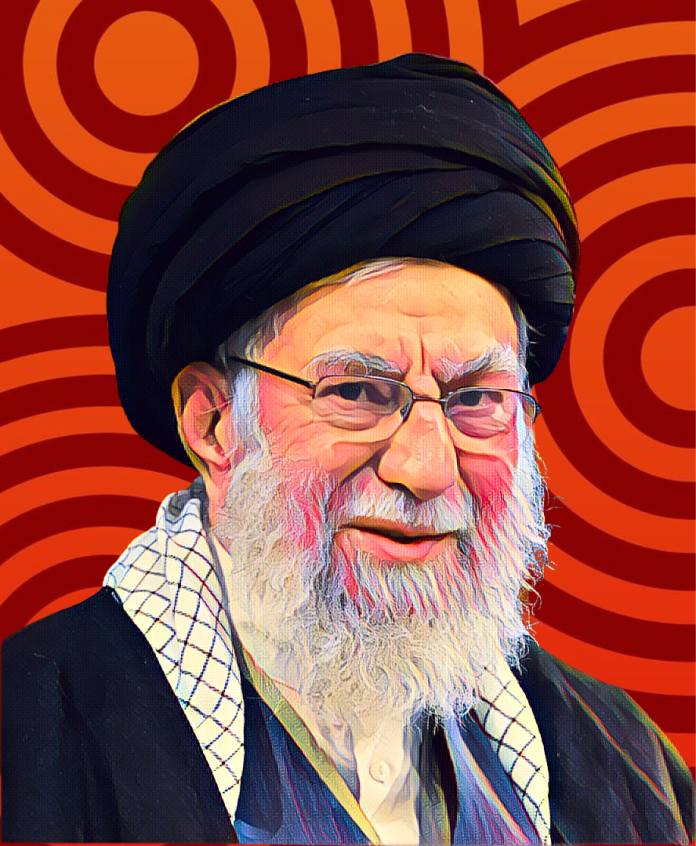
Among those reported killed are Iran’s Supreme Leader, Ayatollah Ali Khamenei; senior adviser Ali Shamkhani; Revolutionary Guards Commander Mohammed Pakpour; Defence Minister Amir Nasirzadeh; and key intelligence and nuclear officials, including Hossein Jabal Amelian and Reza Mozaffari-Nia.
Former President Mahmoud Ahmadinejad was also reported killed in a targeted strike on his residence while under house arrest, according to Iranian and Israeli media reports.
In response, Iran launched missile and drone attacks across the region. At least nine people were killed in the Israeli city of Beit Shemesh after a missile struck a residential area, reportedly hitting a synagogue where civilians had taken shelter. Emergency services said 27 others were injured, with 11 still missing as rescue efforts continued.
The Pentagon also confirmed that three American military officers were killed and 11 others wounded during operations linked to the conflict.
Iran claimed it struck the USS Abraham Lincoln in the Gulf, but US Central Command denied the assertion, saying the aircraft carrier was not hit.
Interim leadership named as global powers react
Following Khamenei’s assassination, senior cleric Ayatollah Alireza Arafi was appointed to a three-member interim Leadership Council alongside President Masoud Pezeshkian and judiciary chief Gholam-Hossein Mohseni-Ejei.
Iran declared 40 days of mourning and vowed retaliation. President Pezeshkian described the killing as a “war against Muslims,” warning that the US and Israel would face consequences.
Foreign Minister Abbas Araghchi said the assassination of a sitting head of state was a violation of international law and indicated that a new supreme leader could be selected within days.
US President Donald Trump, while warning Tehran of “unprecedented force” if it retaliates further, said he was open to talks with Iran’s new leadership. “They want to talk, and I have agreed to talk,” Trump said, though he confirmed military operations would continue.
China, Russia and North Korea condemned the killing of Khamenei. Russian President Vladimir Putin described it as a “cynical violation” of international law, while China called the attacks unacceptable.
North Korea labelled the strikes an “illegal act of aggression.” The European Union and the Vatican also appealed for de-escalation.
Strait of Hormuz blocked as oil prices surge
In a move that has heightened global economic anxiety, Iran’s Revolutionary Guards announced the closure of the Strait of Hormuz, warning that no vessel would be allowed to pass through the strategic waterway.
The strait handles nearly 20 million barrels of oil per day — about one-fifth of global consumption. Following the announcement, oil prices climbed to around $73 per barrel amid fears of supply disruption. Nigeria’s Bonny Light crude and Brent crude both recorded gains.
Shipping disruptions have already begun. Reports indicate that more than 100 tankers are waiting near the coasts of the UAE and Oman.
Airlines have also been affected, with over 19,000 flights delayed or cancelled globally as Gulf airports grapple with the fallout.
Despite the tensions, OPEC+ members reaffirmed their commitment to market stability and announced plans to gradually unwind 1.65 million barrels per day in voluntary production cuts beginning in April.
As missile exchanges continue and diplomatic signals remain mixed, the conflict threatens to reshape the Middle East’s political landscape and send further shockwaves through global energy and security systems.

