

Key Points
- Residents of Igol-Ukpagada drink from a contaminated seasonal stream after their only borehole broke down years ago.
- Villagers report cases of bloody urine and recurring illness tied directly to the unsafe water source.
- Community leaders are demanding emergency intervention from state government and humanitarian organizations.
For decades, residents of this rural community in Cross River State have drawn their drinking water from the same murky stream they share with animals — and they say their pleas for help have gone unanswered by government officials at every level.
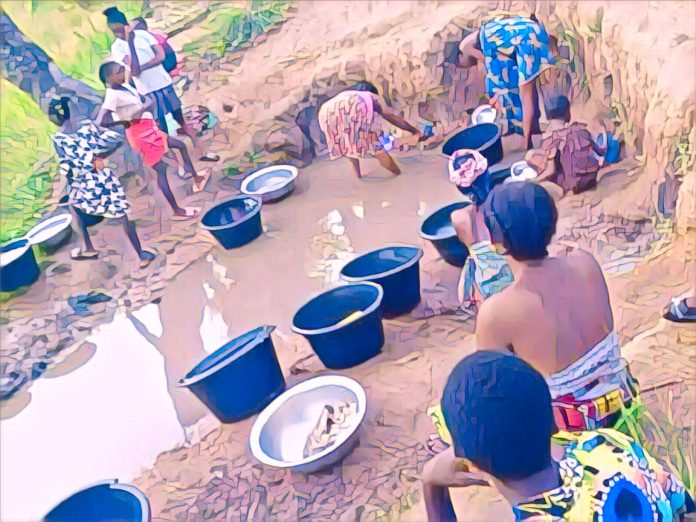
The roughly 1,000 people of Igol-Ukpagada, a village in the Ogoja Local Government Area of southeastern Nigeria, have no functioning borehole, no piped water system and no realistic alternative to a seasonal stream that runs dry for months each year.
“We don’t have a choice. This is the only source of water here,” said Chief Emmanuel Idagu, a community elder. “If we don’t fetch from here, there’s no other place to get water.”
Women and children make the daily trek to the stream, hauling water used for drinking, cooking and bathing. When the dry season comes, the stream slows to a trickle of standing water that residents say visibly changes color and texture — yet they continue drinking it.
The health consequences have been severe. Waterborne illnesses including cholera, dysentery and typhoid fever are well-documented risks associated with untreated surface water, according to public health researchers.
“Sometimes people urinate blood because of this water,” Idagu said. “Not many people can treat the water before using it, so many come down with different ailments.”
Resident Peter Moshem said the community has raised the issue with officials repeatedly, without result. “We are about 1,000 people living here and we don’t have any other water unless it’s raining,” he said.
A manual borehole was installed during the administration of former Gov. Donald Duke but has been broken for years, residents said, functioning only intermittently before failing entirely.
Idagu noted the community participates in elections but sees little in return. “There are polling units here and we also vote,” he said. “But after elections, it is stories we get.”
Community leaders are calling on the Cross River State government, development organizations and humanitarian agencies to install a sustainable water supply, warning that without intervention the village faces a potential public health crisis.
“No community deserves to live under such conditions,” Idagu said. “We need urgent intervention to avert an impending epidemic.”

