

Key points
- UN General Assembly schedules vote on slavery resolution Wednesday
- Ghana leads push for recognition and reparations measures
- Draft calls for apology, artifact returns and action on systemic racism
The United Nations General Assembly is set to vote Wednesday on a resolution declaring the transatlantic slave trade the “gravest crime against humanity,” a move supporters say could advance global recognition and justice.
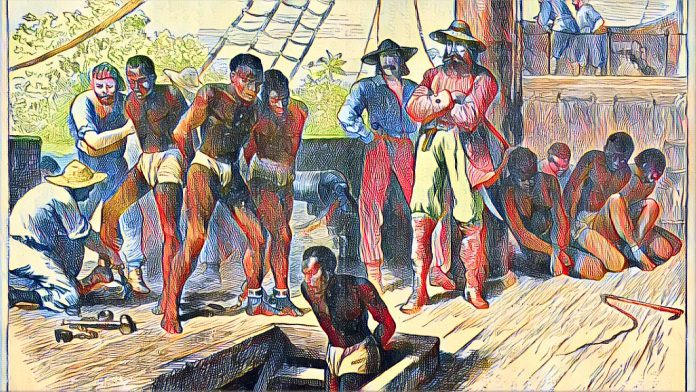
Backers of the measure describe it as a symbolic but important step toward acknowledging the scale and lasting impact of the centuries-long trade, which forcibly displaced more than 12.5 million Africans.
Ghana pushes ‘historic’ recognition
Ghana’s President John Mahama, a leading advocate for slavery reparations within the African Union, traveled to UN headquarters to rally support for the proposal.
Addressing member states, Mahama said the resolution would allow the world to confront the suffering endured by millions whose lives and identities were uprooted over 400 years.
He also criticized efforts in parts of the United States to restrict teaching about slavery and racism, saying the resolution serves as a safeguard against historical erasure.
Resolution links past to present inequalities
The draft text describes the trafficking and enslavement of Africans as the gravest crime against humanity and points to enduring consequences, including racial discrimination and neo-colonial structures.
Amma Adomaa Twum-Amoah of the African Union said clearly defining the atrocities removes ambiguity from the historical record and underscores their lasting effects.
She said the inequalities seen today are rooted in deliberate systems established during that period.
Calls for apology and restorative justice
The resolution goes beyond recognition, urging countries involved in the slave trade to engage in restorative justice efforts.
Ghana’s Foreign Minister Samuel Okudzeto Ablakwa said those responsible, including European nations and the United States, should formally apologize to Africa and people of African descent.
He added that returning looted artifacts, addressing systemic racism and considering compensation are possible steps toward justice.
Debate over language and scope
Some UN member states have raised concerns that describing the slave trade as the “gravest” crime could create a hierarchy of suffering.
Ablakwa rejected that view, saying the intent is not to rank tragedies but to reflect the scale, duration and lasting consequences of the transatlantic slave trade.
He said the system’s breadth and its multigenerational impact set it apart in human history.

