

KEY POINTS
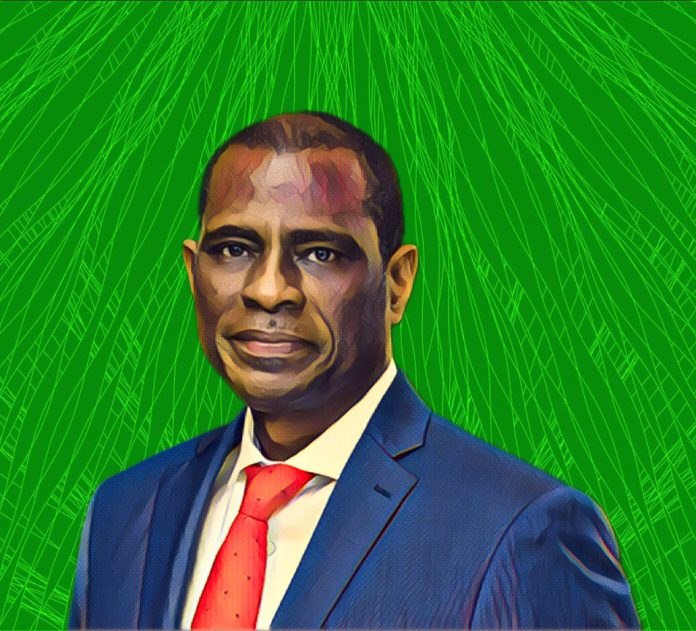
- Segun Ogunsanya, ex-Airtel Africa group CEO, chairs CycleFlow, an IFC-backed supply chain finance platform targeting $25 billion to $30 billion in annual MSME financing for Nigeria
- CycleFlow converts invoices buyers have already approved into immediate cash, bypassing the 60-120 day payment delays that stifle small business growth; anchor buyers include Flour Mills of Nigeria, MTN and IHS Towers
- IFC research projects that full deployment could generate 480,000 direct jobs in Nigeria and lift GDP by 1-3 percent
Segun Ogunsanya, former group chief executive of Airtel Africa, has launched CycleFlow, an IFC-backed supply chain finance platform targeting $25 billion to $30 billion in annual financing for Nigeria’s micro, small and medium enterprises (MSMEs).
Ogunsanya, who ran Airtel Africa from 2021 until his retirement in July 2024, now chairs CycleFlow, Nigeria’s self-described national supply chain finance platform. The April 2 Lagos launch also drew anchor buyers including Flour Mills of Nigeria, MTN and IHS Towers, with Stanbic IBTC joining as the first fully integrated banking partner. US fintech C2FO also developed the platform’s underlying technology.
Platform converts approved invoices into cash without collateral
CycleFlow’s model allows financial institutions and buyers to purchase and discount invoices that buyers have approved, enabling MSMEs to receive cash against their receivables without collateral.
While Nigerian suppliers routinely wait 60 to 120 days for payment, the platform converts that wait into immediate liquidity. Furthermore, Mohamed Gouled, the IFC’s vice president for products and clients, said millions of African MSMEs hold receivables they cannot convert into working capital.
Additionally, Ogunsanya framed CycleFlow MSME financing as a structural correction rather than a new credit line, arguing that the financing gap crippling Nigerian small businesses is solvable provided technology and political will align.
IFC research links full deployment to 480,000 jobs and GDP gains
During the Lagos launch, the IFC presented research suggesting that every $1 million in smaller-business financing creates an average of 16.3 direct jobs over two years.
At full deployment, CycleFlow’s backers estimate the platform could generate more than 480,000 direct jobs in Nigeria and lift gross domestic product by one to three percent.
Beyond Nigeria, CycleFlow plans to run the same model across other African markets, extending Ogunsanya’s reach from telecoms into the continent’s next wave of financial infrastructure according to Billionaires Africa.

