

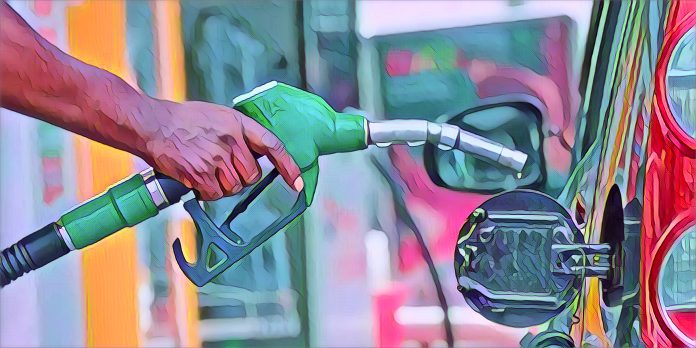
Nigerians are bracing for tougher times following the World Bank’s recent suggestion that the Federal Government should increase the pump price of Premium Motor Spirit (PMS). The World Bank, on December 13, implied that despite President Bola Tinubu’s removal of the fuel subsidy on May 29, 2023, the government might still be subsidizing fuel.
According to a report by Daily Post, the bank argued that the current fuel price in Nigeria, at N650 per litre, is not reflective of actual costs and should be raised to around N750 per litre. Alex Sienaert, the World Bank’s Lead Economist for Nigeria, revealed this during a presentation of the Nigeria Development Update in Abuja.
However, this advice comes amidst severe hardships in Nigeria following the subsidy removal earlier this year. The Nigerian National Petroleum Company Limited had increased the pump price of PMS dramatically, leading to skyrocketing prices of essential goods and services and exacerbating the struggles of average Nigerians. The National Bureau of Statistics reported a rise in food inflation to 32.84 per cent in November, up from 31.51 per cent the previous month.
Stakeholders, including the Nigeria Labour Congress (NLC), the Peoples Democratic Party (PDP), and other groups, have criticized the World Bank for being insensitive to the plight of Nigerians. NLC spokesman Beson Upah, told the DAILY POST that the current fuel price has already severely impacted the country, and any further increase would invite anarchy. He accused the World Bank of being indifferent to the struggles of the Global South and advised the government to focus on addressing corruption and reducing governance costs instead.
Similarly, Hon. Debo Ologunagba, the National Publicity Secretary of the PDP, blamed the IMF and the World Bank for Nigeria’s economic woes. He stated that increasing fuel prices further is unthinkable and unacceptable, especially when Nigerians have yet to feel any relief from the removal of fuel subsidies.
Dr Yunusa Salisu Tanko, Chief Spokesperson for the Labour Party Presidential Campaign Council, viewed the World Bank’s move as an attempt to continue colonial influence over African countries. He called for creative leadership and urged the Federal Government to build refineries in each geopolitical zone to reduce fuel prices and commodity costs.
In contrast, an APC chieftain, Mathew Adah, expressed confidence in President Tinubu’s decision-making abilities, urging patience from Nigerians and assuring them that the economy will improve in time.

