

KEY POINTS
- The Army warned of fake Facebook accounts impersonating senior officers.
- Fraudsters used the names and photos of two serving generals.
- The Army said its officers never request money or contracts on social media.
The Nigerian Army has warned the public about an impersonation scam in which fraudsters pose as senior officers on social media, especially Facebook. In a statement on its official X account on Sunday, the army said fraudsters had built the fake profiles to deceive and defraud unsuspecting Nigerians. Moreover, it urged people to ignore any approach from the accounts.
Inside the impersonation scam
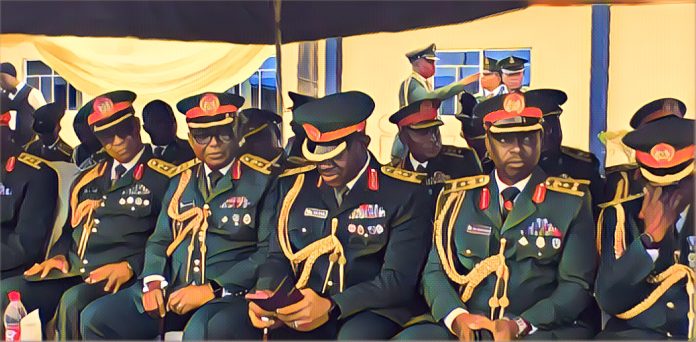
The army said the scammers had impersonated the Deputy Chief of Standards and Evaluation, Major General Raymond Utsaha. Specifically, they ran fake accounts in his name while using a photograph of the Chief of Policy and Plans, Major General Bamidele Alabi. According to the army, the profiles existed purely to trick people through false claims and unauthorized dealings.
“The said Facebook accounts are fake and were created with malicious intent to defraud individuals,” the statement said. Therefore, the army told the public to disregard any messages, friend requests or financial solicitations from the accounts.
How the scam works
Impersonation scams like this one follow a familiar pattern. Typically, fraudsters lift a real officer’s name, rank and photo to look credible, then ask targets for money, fees or personal details. Such schemes often dangle jobs, recruitment slots or contracts in the military, which makes them especially convincing to desperate job seekers. Recruitment fraud is a recurring problem, since the military’s hiring draws huge interest from young Nigerians chasing stable work. However, the army stressed that its senior officers never handle official business through personal pages.
Specifically, the army said its commanders do not award contracts, request financial help or manage sensitive matters on social media or other unofficial channels. Consequently, any such request is a clear warning sign, regardless of how genuine the profile looks.
What the army wants people to do
The army asked Nigerians to stay alert and report suspicious accounts to the security agencies. It urged the public to “remain vigilant and report suspicious accounts or activities.” The army added that its verified handles and official website remain the only authentic channels for its communications.
Victims of such scams often lose their savings or hand over personal data that fuels further fraud. The warning lands amid a wider surge in online fraud across Nigeria, where scammers increasingly hijack the identities of public figures and institutions. Indeed, anti-graft and police agencies have issued similar alerts in the past. Meanwhile, experts advise users to look for verification badges, cross-check official websites and never send money to unverified accounts. Together, those steps, the army suggested, can starve the fraudsters of easy victims.

