

KEY POINTS
- Petrol averaged N1,532.93 a liter in April, up 18.97 percent on March.
- Diesel jumped 50.16 percent in a month to N2,474.69.
- The NBS cited Middle East tensions and the Strait of Hormuz closure.
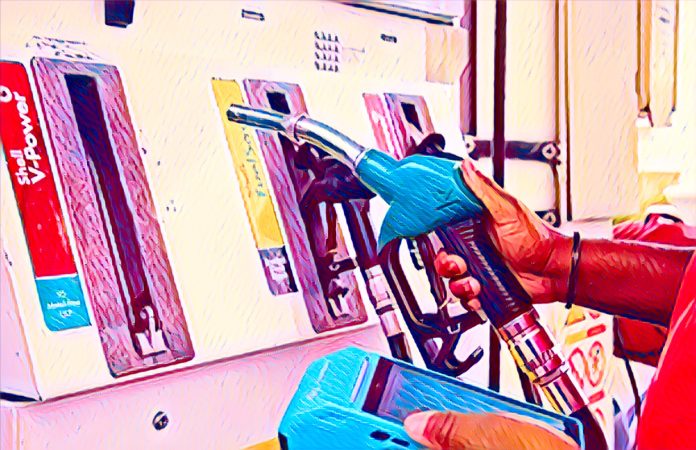
Nigeria’s average petrol price jumped to N1,532.93 a liter in April, up nearly 19 percent in a month and 24 percent in a year. The National Bureau of Statistics published the figures in its Premium Motor Spirit Price Watch. Moreover, diesel rose even faster, climbing more than 50 percent in just one month.
What drove the petrol price spike
According to the NBS, the average pump price rose from N1,288.54 in March to N1,532.93 in April, an 18.97 percent jump. Specifically, the bureau put the year-on-year increase at 23.69 percent, from N1,239.33 in April 2025. Therefore, motorists are paying noticeably more both than a month ago and than this time last year.
Geopolitics is the main culprit. Experts cited by the bureau pointed to tensions in the Middle East, where the closure of the Strait of Hormuz has disrupted global energy supplies and pushed Brent crude higher. Consequently, the cost of imported refined fuel and locally refined product alike has climbed.
The country’s geography of pain is uneven. Specifically, Yobe paid the highest average petrol price at N1,599.05 a liter, followed by Edo at N1,595.74 and Bauchi at N1,589.07. Meanwhile, Niger drivers paid the lowest, at N1,403.89, with Sokoto and Katsina close behind.
By zone, the South-South recorded the steepest average at N1,566.76, while the North-West stayed cheapest at N1,508.81. Additionally, the gap reflects logistics, tax regimes and the distance from refining and import depots.
Diesel rises even faster
Diesel told a sharper story. The NBS Diesel Price Watch put the April average at N2,474.69 a liter, up 50.16 percent on March’s N1,648.06 and 43.67 percent on April 2025. Indeed, the surge will squeeze haulage, manufacturing and self-generated power, since most factories and shops in Nigeria run on diesel generators.
Nasarawa topped the diesel chart at N2,818.94, followed by Ebonyi and Taraba. However, Kebbi remained the cheapest at N2,180.28, with Kogi and Katsina also below the national average. By zone, the North-East paid the most at N2,603, while the North-West paid the least at N2,409.34.
Higher fuel costs typically push up transport, food and goods prices, fanning inflation that already strains households. The numbers underline how exposed Nigeria’s pump prices remain. Since the 2023 subsidy removal and naira float, retail costs track global crude and the currency. Together, the April jump and a tense Middle East suggest more pain at the pump unless oil markets settle.

