

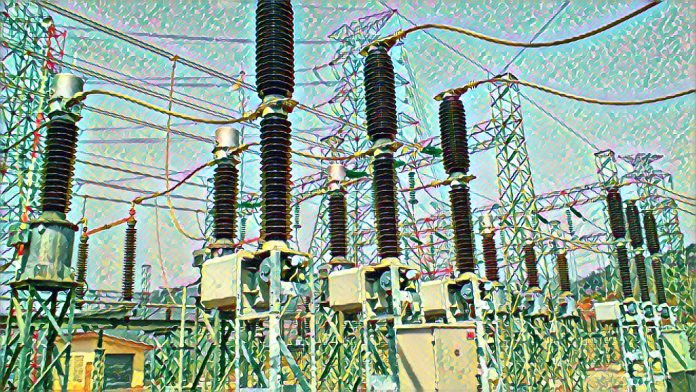
Unprecedented darkness looms over Nigeria as power generation alarmingly plummeted to 1,705 megawatts (MW), significantly dropping from 4,182 MW the day before. This drastic reduction, the lowest in recent memory, exposes the frailty of Nigeria’s electricity infrastructure.
Official statements from both regulators and operators remain conspicuously absent.
However, inside sources from the Association of Power Generating Companies highlight many challenges, including equipment failures, gas shortages, and systemic issues plaguing the power sector.
One insider from the generation companies (GENCOs) painted a bleak picture, attributing the slump to an intertwined web of problems. “The entire power value chain is the culprit,” they remarked.
The prevailing foreign exchange crisis, a gas deficit and the Transmission Company of Nigeria’s (TCN) inefficiencies have rendered the system vulnerable. The source lamented, “We’re in this to generate and sell. Without sales, our existence was threatened. The value chain demands urgent attention; otherwise, all efforts will be futile.”
However, this narrative of blame isn’t unilateral. A source within the TCN quickly countered, pointing fingers back at the GENCOs. They criticized the generation companies’ inability to maintain consistent output, citing their operational inadequacies.
Data from the Nigeria Electricity System Operator (NESO), a branch of the TCN, offers a tangible glimpse into the crisis. With the sharp decline in generation, the TCN and Electricity Distribution Companies (DisCos) have faced hurdles in transmitting and distributing electricity to the teeming population.
Consequently, DisCos have initiated significant load shedding, rationing the scant electricity across various consumer categories. This shortage has compelled many to seek alternatives, like independent power generation.
While the TCN remains tight-lipped about the specific causes of the decline, industry insiders emphasize that crumbling power infrastructure remains the primary concern.
In related news, the recently appointed Minister of Power, Mr Adebayo Adelabu, expressed optimism about the sector’s prospects. At a reception in his honour, Adelabu asserted, “While instantaneous results are unrealistic, laying a robust foundation is crucial. I am confident that Nigerians will witness tangible improvements in the power sector within six months to a year.”
The situation underscores the urgent need for intervention, with stakeholders tussling in a blame game. As the power sector teeters, the country waits with bated breath for decisive actions and lasting solutions.

