

KEY POINTS
- Nigeria’s SEC ordered capital market operators to freeze assets linked to US-sanctioned ISIS financiers.
- The targets are Mukhtar Adamu Muhammad and three bureaux de change: Generation Currency, Manhattan and Nine to Nine Exchange.
- Operators must file suspicious transaction reports and risk fines, suspension or deregistration for non-compliance.
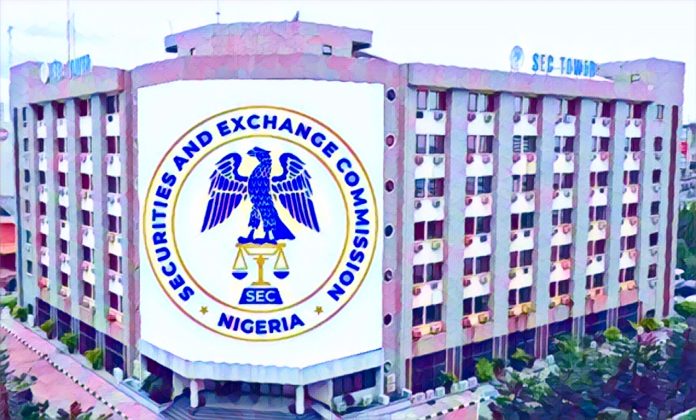
Nigeria’s Securities and Exchange Commission has ordered capital market operators to immediately identify and freeze funds and assets linked to one Nigerian and three companies that the United States sanctioned over alleged ISIS financing.
The directive, contained in a “Notice of Sanction” circular on the commission’s website, requires all Capital Market Regulated Entities to freeze the assets without prior notice and report the action to the Secretariat of the Nigeria Sanctions Committee.
Who the sanctions target
According to the SEC, the US listed Mukhtar Adamu Muhammad, also known as Mukhtar Adamu and Muhammad Mukhtar, along with three bureaux de change: Generation Currency, Manhattan and Nine to Nine Exchange. Washington accused them of facilitating transactions tied to the Islamic State and its West Africa affiliate.
Moreover, the commission told operators to freeze all funds, assets and economic resources belonging to the named parties and to report every frozen asset, each compliance step and any attempted transaction. Consequently, the order removes any discretion, since firms must act at once and without warning the targets. It also told them to prohibit further dealings with the individual and the companies.
What operators must do next
Beyond the freeze, the SEC directed operators to file suspicious transaction reports with the Nigerian Financial Intelligence Unit for deeper analysis. Furthermore, it told them to flag every name match, whether the transaction occurred before or after they received the list, and to keep monitoring related activity and report findings to the Nigeria Sanctions Committee. In effect, the commission wants every regulated firm to screen its books against the list and respond without delay.
Still, the commission warned that non-compliance would breach the Investments and Securities Act of 2025 and its anti-money-laundering and counter-terrorism-financing rules. Therefore, firms that fail to comply could face fines, suspension or the loss of their registration. The SEC said the directive takes immediate effect, and it framed the move as part of a wider drive to keep Nigeria’s financial and capital markets clear of terrorism financing and other illicit flows.

