

KEY POINTS
- Sheikh Ahmad Gumi defended using public funds to support marriages in Shariah-governed states.
- He argued such states must help those who cannot afford to marry, given bans on sex outside marriage.
- State-funded marriages remain contested, with critics questioning the use of public money for private ceremonies.
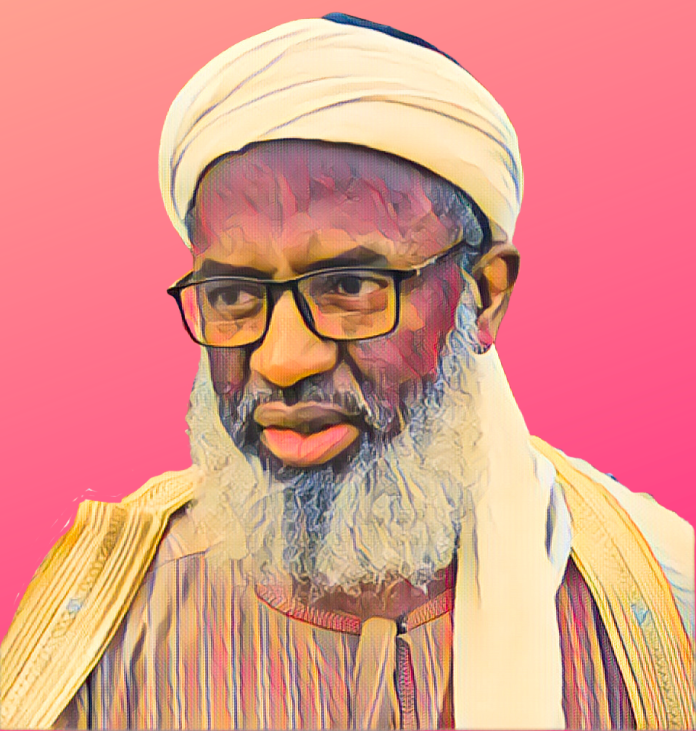
Islamic cleric Sheikh Ahmad Gumi has defended the use of public funds to support marriages in states that run Shariah law, calling the practice a legitimate government responsibility.
Gumi set out his view in a statement on Facebook on Thursday, arguing that governments in Shariah-governed societies must address the social needs that flow from the ban on sex outside marriage.
The cleric’s argument
According to Gumi, prostitution, fornication, adultery and promiscuity fall foul of both religious principles and state law in such societies. Therefore, he said, the state should step in to help people who cannot afford to marry, and he framed that support as part of responsible governance.
Moreover, he said public resources could rightly help young people in urgent need of marriage, as well as women who struggle to find suitable spouses. In his words, using public funds to facilitate the marriage of women who outnumber eligible men, or of any young person in dire need, counts as a legitimate and responsible part of good governance. He therefore treats marriage support as a social duty rather than a favour.
A contested public-policy question
Still, the idea of state-funded marriages remains contested in Nigeria. Some northern states have, in the past, organised or subsidised mass weddings, which supporters cast as a shield against poverty and social vice. However, critics often question whether scarce public money should pay for private ceremonies rather than schools, health care or jobs, and some worry about how such schemes treat the women involved.
Because the debate touches religion, gender and public spending at once, it tends to divide opinion sharply. Gumi, for his part, tied the spending directly to the moral order that Shariah states seek to uphold. Consequently, his intervention adds a prominent clerical voice to a long-running argument over how far governments should go in shaping citizens’ private lives. The statement itself carried only his position and no response from state authorities.

