

KEY POINTS
- Hundreds of Oworonshoki demolition victims remain homeless three years later.
- MOTION alleges deaths, health problems and destroyed livelihoods among affected residents.
- The group demands compensation, resettlement, healthcare and an investigation by the Lagos State Government.
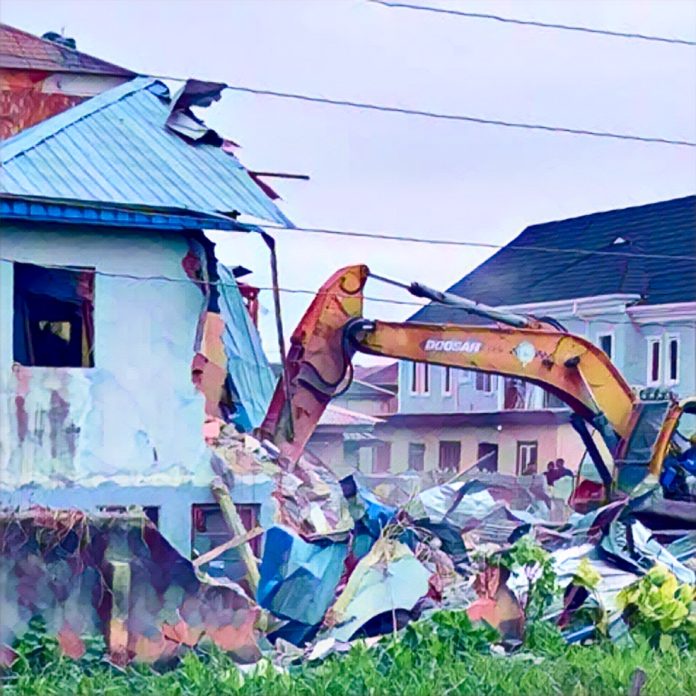
Three years after homes were demolished in Oworonshoki, Lagos State, hundreds of affected families are still struggling with homelessness, poor living conditions and loss of livelihoods, according to the Movement for the Transformation of Nigeria, MOTION.
The group said in a statement issued on Thursday, September 3, 2026, that residents displaced during the demolition exercise had yet to receive compensation or adequate resettlement from the Lagos State Government.
MOTION’s Oworonshoki Chapter Coordinator, Sunday Ibinuolapo, and its Director of Media and Publicity, Opeyemi Benjamin Ogunlami, said the demolitions had continued to affect communities including Odunfa, Lone Street, Precious Seed and Ojileru.
According to the organisation, many families have been unable to rebuild their lives since their homes were destroyed, with some women, children and fathers allegedly forced to sleep in the open along the Oworonshoki Car Wash Expressway.
The group said the situation had become increasingly desperate, arguing that the hardship initially caused by the demolitions had persisted and worsened over the past three years.
Deaths, Health Problems Reported
MOTION alleged that the prolonged displacement had contributed to deaths among some affected residents, citing trauma, stress and harsh living conditions.
It also raised concerns about the health of vulnerable residents, particularly children and elderly people, who it said had been exposed to poor living conditions and inadequate access to healthcare.
The organisation claimed that displacement, exposure and the absence of proper medical support had left some victims battling illnesses that could otherwise have been prevented or treated.
Beyond the health crisis, MOTION said the demolition disrupted education and economic activities, with schools and businesses abandoned and sources of livelihood destroyed.
MOTION described the continued suffering of the affected residents as “state-inflicted suffering” and accused the Lagos State Government under Governor Babajide Sanwo-Olu of failing to adequately address the consequences of the demolition.
The group argued that development should not be assessed solely by the infrastructure or urban renewal projects achieved by a government, but also by how affected citizens are treated during such projects.
It maintained that residents who lose their homes and livelihoods because of government-backed projects should receive adequate compensation, alternative accommodation and support to rebuild their lives.
The organisation called on the Lagos State Government to immediately identify and compensate all verified victims of the demolition.
It also demanded urgent resettlement of affected families in decent housing, alongside medical and psychosocial support for residents who have suffered physical and emotional consequences from the displacement.
MOTION further called for the establishment of a public panel to investigate the demolition exercise, determine what happened to affected residents and establish accountability for the consequences of the exercise.

