

KEY POINTS
- Nigeria launched a 70 billion naira oral health plan for 2026-2030.
- The plan aims to eliminate noma and add dental care to primary health centers.
- Nigeria has about one dentist per 38,000 people, the minister said.
Nigeria’s federal government has launched a 70 billion naira National Oral Health Strategic Plan for 2026-2030 to expand dental care and eliminate noma as a public health problem, Vanguard reported.
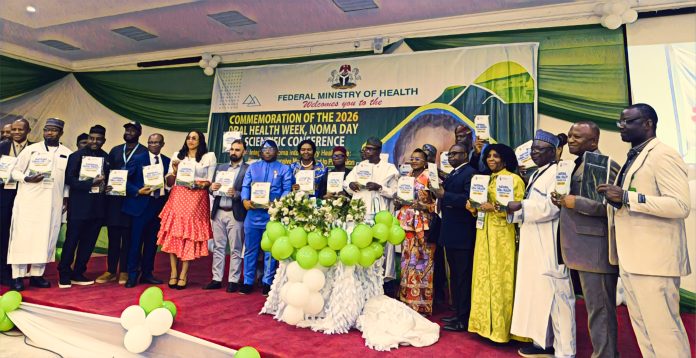
Iziaq Salako, minister of state for health and social welfare, unveiled the plan Monday in Abuja during events marking National Noma Day and National Oral Health Day. The five-year plan aims to widen preventive and curative services, improve early detection of noma and bring oral care into primary health care across all 774 local government areas.
Plan to eliminate noma targets early detection
Noma is preventable but can cause severe facial disfigurement, disability and death, especially in malnourished children, Salako said. The burden is heaviest in the North-West and North-East.
So the ministry has added noma to its disease surveillance system and trained frontline health workers, traditional healers and birth attendants in 19 states to spot early signs. The plan also backs school programs, wider access to fluoride toothpaste and sugar-reduction efforts.
Still, the gaps are wide. More than 80% of Nigerians have never seen a dentist, and two in three children live with untreated tooth decay, Salako said. Nigeria also has about one dentist per 38,000 people, against the World Health Organization’s recommended one per 7,500.
Partners report surgical progress
Meanwhile, the Federal Executive Council has approved a bill to establish a National Centre for Oral Health and sent it to the National Assembly, the minister said.
Doctors Without Borders, known by its French initials MSF, said its partnership at the Noma Children’s Hospital in Sokoto has delivered more than 1,759 major reconstructive surgeries for 1,174 patients. However, its country representative, Aldikhari Ahmed, stressed that new policies need sustainable funding and working surveillance to succeed.