

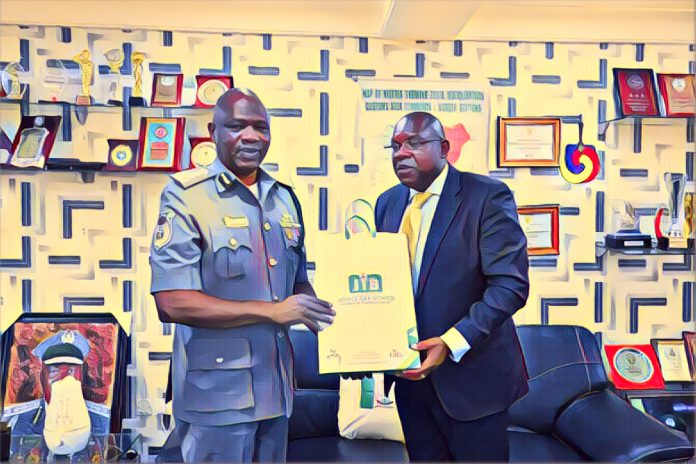
In a move to bolster Nigeria’s tax management system, the Joint Tax Board (JTB) has initiated a proposal for enhanced cooperation with the Nigeria Customs Service (NCS). This collaboration, focusing on key areas such as system integration and the development of a comprehensive Memorandum of Understanding (MOU), promises to streamline tax administration in the country.
During a strategic meeting with the Comptroller General of Customs, Bashir Adeniyi, JTB Secretary Olusegun Adesokan emphasized the critical need for a synergistic relationship. Adesokan highlighted the importance of this partnership in addressing essential aspects of tax management, including system integration and finalization of the MOU between the NCS and JTB. This collaborative approach is envisioned to result in more efficient and effective tax administration, benefiting the nation’s economy.
The dialogue between the two entities also encompassed discussions around a proposed technical training session, aimed at strengthening the collaborative bond. This initiative reflects a commitment to shared learning and skill enhancement, crucial for the dynamic landscape of tax management.
Comptroller General Adeniyi further underscored the significance of engaging with key stakeholders to ensure successful tax management. Recognizing that effective tax administration cannot be achieved in isolation, he pledged to coordinate with the Human Resources Department to facilitate the proposed training. Additionally, Adeniyi directed the legal teams from both sides to expedite the process towards the fruition of the MOU, marking a significant step in formalizing this partnership.
Assistant Comptroller General of Customs, Kikelomo Adeola, in charge of ICT/Modernization, presented a briefing that shed light on the advancements made in integrating systems with the Federal Road Safety Corps (FRSC). This integration is pivotal in ensuring that only vehicles compliant with the requisite customs duties are registered, contributing significantly to the efficiency of tax management. Such technological strides underscore the importance of digitalization in modern tax administration.
This proposed collaboration between the JTB and NCS is a testament to Nigeria’s ongoing efforts to enhance its tax management system. By leveraging mutual strengths, sharing expertise, and embracing technological advancements, both organizations are setting a precedent for a more streamlined and effective approach to tax administration. This partnership is not only expected to improve revenue collection but also to foster transparency and accountability in Nigeria’s fiscal landscape.

