

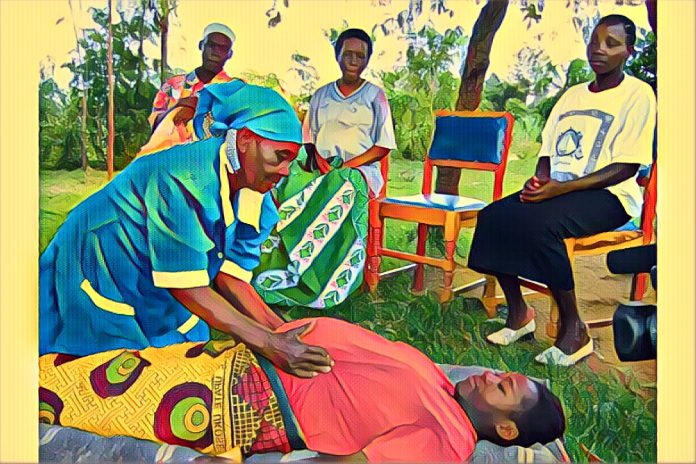
Summary:
- Despite the advancements in modern healthcare, TBAs and prayer houses continue to thrive as delivery facilities in Nigeria.
- Challenges in Nigeria’s healthcare system, include limited accessibility to skilled birth attendants (SBAs), high maternal mortality rates, and inadequate antenatal care.
- Healthcare professionals emphasize the need for government intervention to improve maternal healthcare services. Suggestions include making healthcare more affordable, enhancing antenatal care facilities, increasing public awareness, and strengthening the healthcare workforce.
In Nigeria, despite remarkable strides in modern healthcare, Traditional Birth Attendants (TBAs) and prayer houses remain prevalent choices for childbirth among many pregnant women. This enduring trend reflects a blend of cultural traditions, community trust, and systemic healthcare challenges, presenting a nuanced landscape in maternal and child health.
Irene Peters and Hannah Bello, both mothers, exemplify the deeply ingrained cultural beliefs that guide childbirth decisions. Peters, recalling her experience, narrates her choice of a prayer house over a hospital, influenced by the belief in prayer’s potential to influence her baby’s position for safe delivery. Similarly, Bello, rooted in family tradition, opts for local medicine and TBAs, steering clear of hospital settings.
Community influence plays a pivotal role, with trusted individuals shaping childbirth preferences. Anonymously speaking, journalists reveal their reliance on faith centres, emphasizing the comfort and trust vested in these establishments. Despite registering for antenatal care, their allegiance to religious centres remains steadfast.
Challenges within Nigeria’s healthcare system, particularly limited access to skilled birth attendants (SBAs), bolster the appeal of TBAs and prayer houses. Data from the Nigeria Demographic and Health Survey (NDHS) underscore the significant percentage of births assisted by TBAs, contributing to the country’s high maternal mortality rate as cited by the World Health Organization (WHO).
Despite efforts to integrate TBAs into the formal healthcare system, deeply entrenched cultural beliefs persist. Oluwatoyin Odukoya, a retired public health nurse, sheds light on the perceived supernatural prowess of TBAs, rooted in herbal remedies and incantations. While some undergo training, their services remain sought after due to proximity and perceived efficacy.
The consequences of relying on TBAs and prayer houses are manifold, ranging from delayed complication recognition to inadequate prenatal care, posing significant risks to maternal and neonatal health. Esther Chimashalim Obi, a registered nurse and midwife, underscores the dire implications, emphasizing preventable deaths and complications during childbirth.
Stakeholders, including government agencies and healthcare professionals, are actively addressing TBA utilization through public awareness campaigns, training initiatives, and policy reforms. However, systemic challenges persist, hindering progress in maternal healthcare delivery.
Comprehensive strategies are imperative:
- Improved Healthcare Infrastructure: Investment in infrastructure and personnel to enhance accessibility and affordability of maternal healthcare services.
- Public Awareness and Education: Targeted campaigns to dispel myths surrounding TBAs and promote skilled birth attendance benefits.
- Policy Reforms: Incentivizing hospital deliveries through subsidizing costs and improving service quality.
- Collaborative Approach: Foster collaboration between TBAs, prayer houses, and formal healthcare providers for timely referrals and access to emergency obstetric care.
- Community Engagement: Dialogue with local communities to address cultural beliefs and promote evidence-based maternal healthcare practices.
The persistence of TBAs and prayer houses in Nigeria’s childbirth landscape reflects a complex interplay of cultural, socioeconomic, and healthcare system factors. Addressing this issue necessitates a multifaceted approach, combining government intervention, community engagement, and healthcare system strengthening to enhance maternal and child health outcomes nationwide.

