

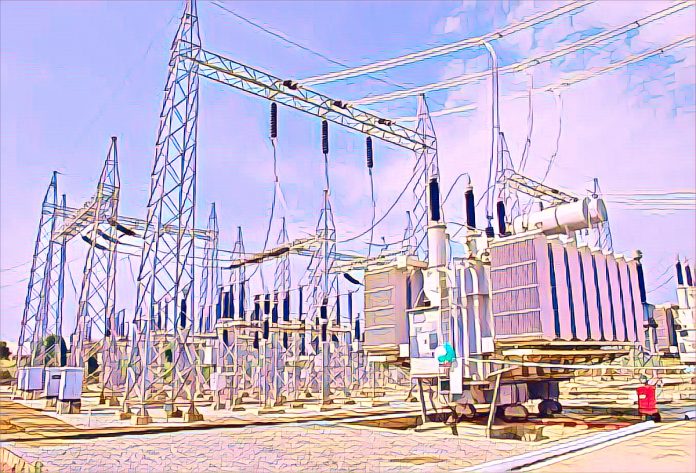
Nigeria faced its sixth power grid collapse of 2024, exacerbating the ongoing energy crisis in the country. With electricity generation plummeting from 2,583.77MW to a mere 64.7MW, millions of Nigerians were left in darkness early Monday morning.
Despite efforts to maintain a stable power supply, Nigeria’s electricity generation capacity of around 4,000MW struggles to meet the needs of its vast population of approximately 200 million citizens. The nation grapples with recurring grid failures attributed to various factors, including gas supply constraints, vandalism of transmission infrastructure, and financial instability within the power sector.
According to data from the Independent System Operator, a subsidiary of the Transmission Company of Nigeria, only one electricity generation company, Ibom Power, remained operational during the latest grid collapse. The situation worsened as power generation plummeted further to 44.5MW before showing a marginal improvement to 132.29MW an hour later.
The grid collapse was confirmed by the Jos Electricity Distribution Company (JEDC), whose Head of Corporate Affairs, Dr. Friday Elijah, attributed the widespread outage to the loss of power supply from the national grid. In a notice to customers, Elijah outlined the timeline of the outage, indicating that the disruption occurred at approximately 02:42 am on Monday, April 15, 2024, affecting all feeders within the JEDC’s franchise states. Despite the grim situation, Elijah expressed optimism that efforts were underway to restore the grid and normalize power supply to consumers.
This recent incident echoes a similar grid collapse reported on February 4, 2024, where electricity generation plummeted to a mere 59.9MW, causing widespread blackouts across the nation. Data from the Federal Ministry of Power revealed a drastic decline in power generation from 2,658.75MW at 11 am to 59.9MW by noon on that fateful day, prompting power distribution companies to point fingers at the Transmission Company of Nigeria for the collapse.
As Nigeria grapples with the consequences of frequent grid failures, the government faces mounting pressure to address the underlying issues plaguing the energy sector. With millions of citizens enduring regular blackouts and businesses suffering from disrupted operations, the urgency to implement sustainable solutions and strengthen the resilience of the national grid has never been greater.

