

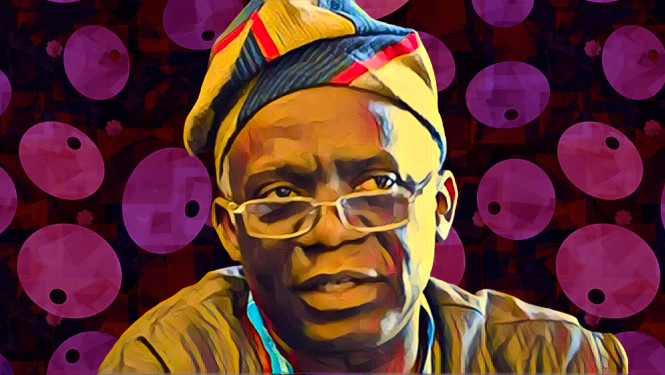
Human rights lawyer Femi Falana has delivered a resounding victory for Nigerian journalists. Falana recently announced that arresting journalists for cyberstalking, insulting, and other vaguely defined offenses is now illegal.
Falana’s comments stem from a landmark ruling by the Economic Community of West African States (ECOWAS) Court. The Court declared Section 24 of the Cybercrime Act 2015 illegal. This section previously criminalized a wide range of online activities, including “causing annoyance” and “sending offensive messages.”
ECOWAS Court Ruling Strengthens Freedom of Expression
The ECOWAS Court, in separate lawsuits filed by human rights NGOs, found Section 24 violated journalists’ fundamental right to freedom of expression. This right is guaranteed by both the Nigerian Constitution and international human rights conventions. The court directed the Nigerian government to amend the law to bring it into compliance with these protections.
Following the rulings, the Nigerian government acted swiftly. They repealed Section 24 and replaced it with a narrower provision in the Cybercrime Amendment Act. The amended law now only criminalizes the distribution of demonstrably false information intended to cause a breakdown of law and order or threats of violence. This marks a significant shift away from the previous broad and subjective restrictions on online expression.
Falana Urges Dismissal of Pending Charges
Falana emphasized the practical implications of this legal victory. He stressed that police and security agencies no longer have the authority to arrest or prosecute Nigerians for “cyberstalking,” “insult,” or causing annoyance online. These actions were previously used to harass and silence journalists critical of the government or powerful individuals. Falana called on authorities to immediately discontinue all pending cases based on the repealed sections of the Cybercrime Act.
This decision is a crucial development for press freedom in Nigeria, which has faced growing challenges in recent years. Journalists have been subjected to harassment, intimidation, and violence, often for critical reporting. The ECOWAS Court’s ruling and the subsequent legal changes offer hope for a more open and secure media environment in Nigeria. A vibrant and independent press plays a critical role in holding the government accountable and informing the public.
Shrinking Civic Space in Nigeria
Beyond protecting journalists, the ECOWAS Court ruling addresses a broader concern about shrinking civic space in Nigeria. The government has increasingly used laws and regulations to stifle dissent and criticism. The repealed section of the Cybercrime Act was just one example of this trend.
The successful legal challenge to this law demonstrates the power of the judiciary to uphold fundamental rights. It also highlights the role of civil society organizations in holding the government accountable for its actions. Human rights NGOs played a critical role in bringing the lawsuits before the ECOWAS Court, paving the way for this positive outcome.
While the repeal of Section 24 is a positive step, challenges to press freedom and freedom of expression likely remain in Nigeria. Journalists may still face harassment and intimidation for their work. It is crucial for journalists and civil society organizations to remain vigilant and continue to challenge any attempts to restrict their rights.
The international community also has a role to play in supporting press freedom in Nigeria. International pressure can help to ensure that the government upholds its commitment to human rights, including the right to freedom of expression.
Source: Vanguard

