

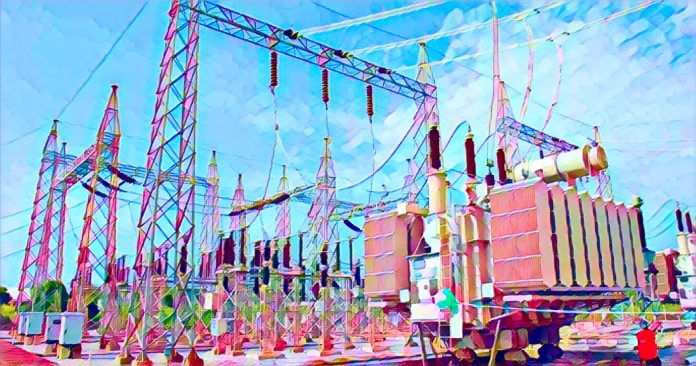
Nigeria’s frequent power outages are unlikely to cease soon due to persistent issues in the electricity system. An investigation has revealed ten major problems contributing to the instability.
Among the key issues are outdated equipment, inadequate gas supply, and poor coordination between plants and gas pipelines. Other factors include a lack of operating reserves, insufficient voltage support, and unreliable Supervisory Control and Data Acquisition (SCADA) systems. Vandalism, tripping of critical infrastructure lines, and corruption further complicate the situation.
The SCADA system, crucial for controlling and monitoring the power supply, remains incomplete. Experts say this system’s delayed installation exacerbates the power crisis. Even with adequate funds, implementing effective solutions will be time-consuming.
Adetayo Adegbemle, Executive Director of PowerUp Nigeria, explained that system collapses often result from frequency variations between supply and demand. “A system collapse is similar to overloading a generator,” Adegbemle said. “It disrupts economic activities and damages generating plants.”
Adegbemle criticized the Transmission Company of Nigeria (TCN) for its role in these frequent outages. He believes that TCN should be held accountable for future collapses. “We need engineers and experts to manage these key infrastructures effectively,” Adegbemle said.
The Nigerian Consumer Protection Network’s President, Kunle Olubiyo, also blamed TCN. He noted that some equipment is outdated, with parts sometimes fabricated to replace old components. This often leads to additional problems like corrosion.
Gabriel Idahosa, President of the Lagos Chamber of Commerce and Industry (LCCI), highlighted the severe economic impacts of frequent power outages. He emphasized that high power costs are affecting businesses and household productivity.
Idahosa called for increased investment in the power sector. “We need foreign investors to develop renewable energy solutions,” he said. This could reduce the nation’s reliance on the unstable national grid.
Dr. Muda Yusuf, CEO of the Centre for the Promotion of Private Enterprise, echoed the call for greater investment in the power grid. “Stable power is essential for economic progress,” Yusuf said. “Without reliable electricity, production, and economic growth are severely hampered.”
Yusuf stressed the importance of strengthening the current grid and exploring decentralized energy solutions. “The grid is outdated and struggles to handle current demands,” he noted. “Investing in infrastructure and diversifying energy sources are crucial for long-term stability.”
TCN has not responded to requests for comment but has acknowledged the issues. Nafisat Ali, Executive Director of the Independent System Operator (ISO), emphasized the need for a balance between supply and demand. “Adequate reserves are essential to maintain system stability,” Ali said.
The persistent power outages in Nigeria highlight a deeply troubled sector in need of urgent reform. Addressing these challenges requires a multifaceted approach, including investment in new technologies and better management practices. Only through comprehensive reforms and increased funding can Nigeria hope to achieve a reliable and stable power supply.

