

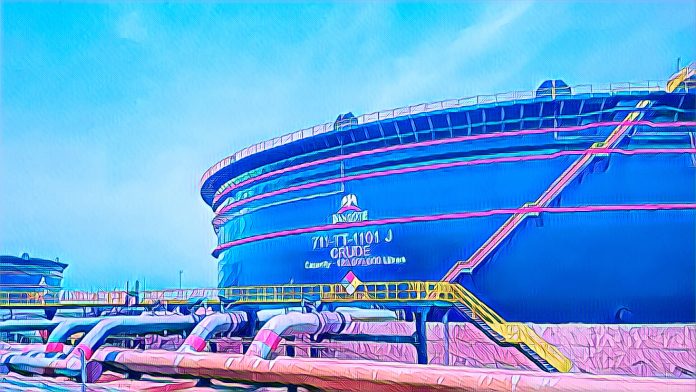
The Dangote Refinery, poised to become Africa’s largest oil refinery, is set to significantly disrupt the European refining sector. According to industry analysts, the Nigerian-based refinery could challenge up to 90 refineries in Europe by offering competitively priced refined products, including gasoline, diesel, and jet fuel. This disruption is expected to shift global market dynamics, with implications for refining margins and trade flows.
Situated in Lagos, Nigeria, the Dangote Refinery is a massive project with a capacity of 650,000 barrels per day. Once operational, it will not only meet Nigeria’s domestic fuel needs but also export a significant volume of refined products. The refinery’s advanced technology and strategic location provide it with a competitive edge, allowing it to produce higher-quality products at a lower cost. “This facility is a game-changer for the global oil industry, particularly for the European market,” said an industry expert.
Europe has traditionally been a major exporter of refined petroleum products, benefiting from a mature refining infrastructure. However, the entry of the Dangote Refinery into the market is likely to challenge this position. The refinery’s modern facilities and lower production costs enable it to offer products at more competitive prices. This could lead to a decline in European refinery margins as they struggle to compete with the more cost-effective Dangote products.
Analysts predict that the European refining sector, already facing challenges from regulatory changes and a shift toward renewable energy, will be significantly impacted by this new competition. Many European refineries may be forced to cut production or shut down entirely if they cannot adapt to the new market dynamics. “The refining landscape in Europe could see major shifts as operators reassess their viability in the face of new competition,” an analyst noted.
The Dangote Refinery’s impact will extend beyond Europe, influencing global oil markets. By reducing Nigeria’s dependence on imported refined products, the refinery will help stabilize the country’s economy and reduce its foreign exchange outflows. Additionally, the refinery is expected to create thousands of jobs, both directly and indirectly, boosting local economies. “This project is not just about refining oil; it’s about transforming Nigeria’s economic landscape,” emphasized a spokesperson for Dangote Industries.
Moreover, the refinery’s potential to export refined products to various regions, including Africa, the Middle East, and beyond, positions it as a key player in the global energy market. This diversification of supply sources could alter trade flows and pricing structures, particularly in regions that have traditionally relied on European and Asian refineries. “The global supply chain for refined products is set to undergo significant changes with the Dangote Refinery’s entry,” commented an industry observer.
Despite the optimism surrounding the project, there are challenges that could impact its success. Infrastructure issues, regulatory hurdles, and market volatility are potential risks that could affect the refinery’s operations and profitability. However, the backing of one of Africa’s largest conglomerates, Dangote Industries, provides a strong foundation for overcoming these challenges. “The company’s track record and the strategic importance of this project offer confidence in its long-term success,” an expert suggested.
As the refinery prepares to commence operations, stakeholders in the global oil market are closely monitoring developments. The potential disruption to the European refining sector, along with the broader implications for global trade and pricing, underscores the transformative impact of the Dangote Refinery. “This is a pivotal moment for the industry, with far-reaching consequences for producers and consumers alike,” an analyst concluded.
In conclusion, the Dangote Refinery’s entry into the market is poised to disrupt the European refining sector and reshape global oil markets. The project’s success will depend on various factors, but its potential to alter trade dynamics and provide economic benefits to Nigeria and beyond is undeniable.
Source: Business Day

