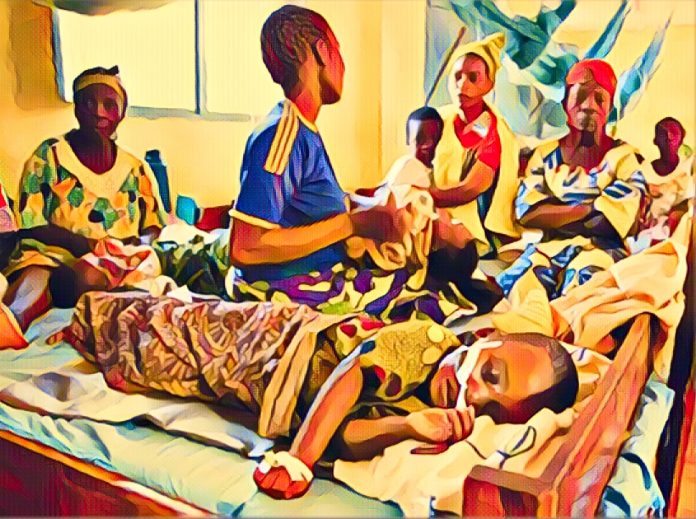
Nigeria is grappling with a severe malaria crisis, particularly affecting communities across the country, while lawmakers receive N740 billion for constituency projects. The disparity between the allocation of funds and the critical needs of the populace has sparked widespread concern and criticism.
Malaria remains one of the most pressing public health issues in Nigeria, with thousands of lives affected annually. The disease, transmitted by infected mosquitoes, poses a significant threat, especially to children under five and pregnant women. Despite ongoing efforts to combat malaria, the prevalence of the disease remains alarmingly high, exacerbated by factors such as inadequate healthcare infrastructure, poor sanitation, and limited access to preventive measures like insecticide-treated bed nets.
The situation has been further highlighted by recent reports that members of the National Assembly have been allocated N740 billion for constituency projects. These funds are intended for development initiatives at the local level, aimed at addressing the specific needs of communities. However, there are growing concerns about the transparency and effectiveness of these projects, with critics arguing that the funds are not being utilized to address urgent public health challenges, including the malaria epidemic.
In many parts of Nigeria, the prevalence of malaria has reached critical levels, with healthcare facilities overwhelmed by the number of cases. The World Health Organization (WHO) and other health experts have continuously emphasized the importance of robust healthcare systems and targeted interventions to control and eventually eliminate malaria. This includes the distribution of bed nets, access to antimalarial medications, and public health campaigns to educate communities about preventive measures.
The allocation of N740 billion to lawmakers has raised questions about priorities in government spending. While constituency projects are essential for localized development, there is a growing call for greater accountability and a focus on critical issues like healthcare. Many citizens and advocacy groups are urging the government to prioritize public health and ensure that funds are directed toward improving healthcare infrastructure and services.
Dr. Sadiq Umar, a public health expert, highlighted the dire need for increased investment in malaria prevention and treatment. “Malaria is a preventable and treatable disease, yet it continues to be a leading cause of illness and death in Nigeria. We need comprehensive strategies and adequate funding to tackle this issue effectively,” he stated. Dr. Umar also emphasized the role of community engagement and education in reducing malaria transmission rates.
The disparity between the large sums allocated to constituency projects and the ongoing health crisis has prompted a national debate on the use of public funds. There is a growing consensus that more should be done to ensure that such funds are used effectively to address the most pressing needs of the population. Transparency in the allocation and implementation of constituency projects is also a major concern, with calls for rigorous oversight and accountability mechanisms.
In response to the criticism, some lawmakers have defended the allocation of funds, arguing that constituency projects are crucial for local development and addressing the specific needs of their constituents. They claim that these projects, if well-managed, can significantly improve infrastructure, education, and healthcare at the grassroots level. However, the challenge remains to ensure that the funds are used efficiently and transparently, with a focus on areas like healthcare where the need is most urgent.
As Nigeria continues to battle the malaria epidemic, there is hope that increased attention and resources will be directed toward combating the disease. The recent outcry over constituency project allocations highlights the need for a more equitable and needs-based approach to public spending. By prioritizing public health and ensuring the efficient use of funds, Nigeria can make significant strides in reducing the burden of malaria and improving the overall health and well-being of its citizens.
This article is sourced from BusinessDay.