

KEY POINTS
- Instant transfers lead Nigeria’s cashless transactions, totaling ₦572 trillion.
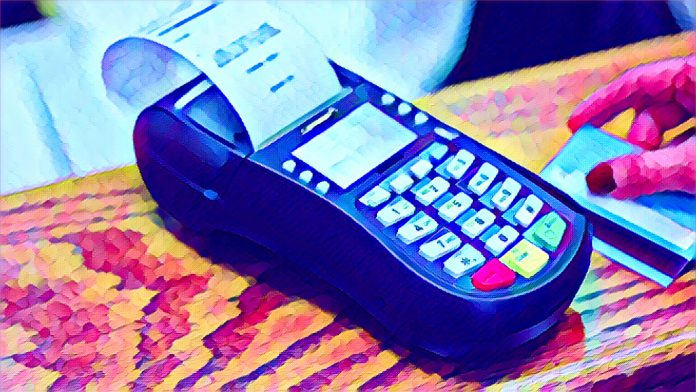
- The rise in digital payments has caused a dip in Point-of-Sale (POS) usage.
- Cashless policies are reshaping Nigeria’s payment landscape, driven by convenience.
The Nigerian cashless society is rapidly growing, especially with instant transfer as the most popular method of financial transactions.
Instant transfers alone hit ₦572 trillion in the first seven months of 2024, and this shows that individuals’ behaviors in the financial sector are changing.
This has also seen a decline in POS transactions which is a trend that is seen to be growing in the world as people embrace the use of cards.
The Central Bank of Nigeria and its cashless society plan are now coming to fruition. Instant transfer is on the increase due to the continual use of mobile money solutions by the citizens of Nigeria.
Whether it is immediate mobile banking apps or Fintech services, the feeling of having cash sent instantly has been brought to the doorsteps of not only the closed and prominent population in big cities but the rural folks as well. The numbers are clear: cashless is the future of Nigeria’s financial ecosystem.
Real-time transfers take over POS transactions.
They have become popular in part because they are fast and easy to use and make instant transfers. Individuals can make payments with a single click, and there is no need to withdraw money or go to a store to make a payment.
Business Day also reports that the increase in the use of instant transfers has hurt POS machines which were earlier popular among people for cashless transactions.
However, POS transactions reduced by 3.4% during the same period generating ₦572 trillion from instant transfers.
This has highlighted the internet usage of other services such as internet banking etc. in Nigeria particularly with the adoption of the use of internet and Smartphone use.
Cashless future: Convenience Driving change
This is especially because it is easy to access them compared with traditional service delivery methods.
This is the reality as consumers opt for the use of electronic methods for controlling their needs as the financial system in Nigeria transits. SMEs and big businesses are adopting digital payment systems because they are faster and pose little risk to handling physical cash.
However, while such a trend can be considered positive, specialists note that there are some issues, such as cybersecurity and network problems.
It is important to protect all online markets from fraudsters and cyber attackers to avoid the loss of consumer confidence in the cashless society.
As the country increasingly becomes a cashless society, the transition to electronic transfer as another fundamental part of the financial system of Nigeria is already in progress.
The rationale is that the Nigerian Government and other relevant authorities want more people to embrace digital payments and therefore strengthen the economy.
What the cashless society looks like is what the future of the payment system in Nigeria holds—a future of technology, convenience and security.

