

KEY POINTS
- Olisa Agbakoba argues that the EFCC is unconstitutionally established.
- He urges the Senate to review the legality of the anti-graft agency.
- Several states are preparing to challenge the EFCC’s legality in court.
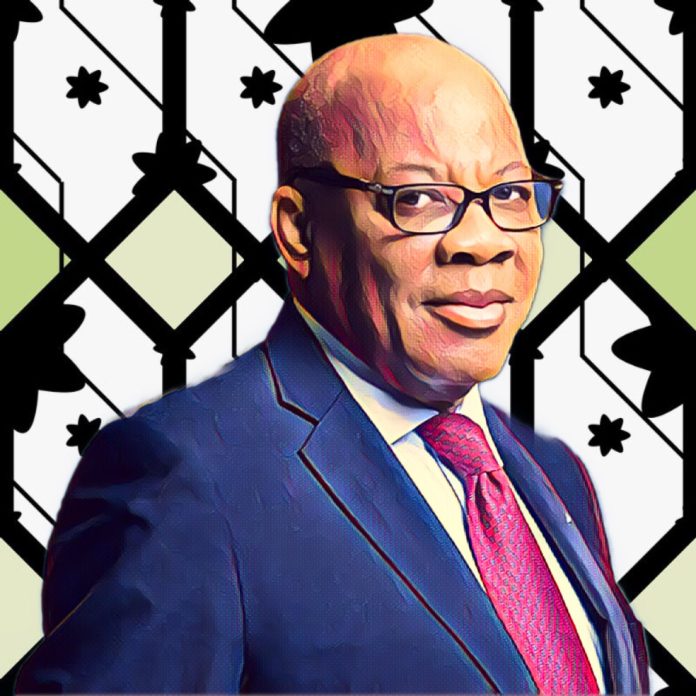
Renowned legal expert and former President of the Nigerian Bar Association (NBA), Olisa Agbakoba, SAN, has called for a review of the constitutionality of the Economic and Financial Crimes Commission (EFCC).
In letters addressed to the Nigerian Senate and House of Representatives, Agbakoba argued that the EFCC was unlawfully established, exceeding the legislative powers of the National Assembly.
Constitutional challenge to EFCC’s existence
Agbakoba’s letters, dated October 14, 2024, were sent to Deputy Senate President Barau Jibrin and Deputy Speaker of the House of Representatives Benjamin Kalu.
In his correspondence, he stressed that the EFCC’s establishment violated the Nigerian Constitution, arguing that its powers overstep what is allowed by law.
According to Agbakoba, several states are preparing to challenge the agency’s legality in court, which could lead to a significant legal ruling.
He stated, “I believe the EFCC was unconstitutionally established, and this must be addressed by lawmakers. This challenge would resolve any doubts about the agency’s validity.”
Moreover, Agbakoba’s comments highlight growing concerns about the effectiveness and legal foundation of Nigeria’s anti-corruption framework.
Legislative reforms urged
The human rights advocate also urged the Senate’s Constitution Review Committee to consider critical reforms to law enforcement in Nigeria.
According to Vanguard, Agbakoba noted that various anti-corruption bodies appear to be working at cross purposes, lacking the coordination needed to combat corruption effectively.
“The current structure creates confusion among law enforcement agencies,” he said, adding that the Supreme Court has previously questioned the EFCC’s conduct.
In addition, his letter emphasized the need for lawmakers to take urgent action by holding public hearings on the matter and ensuring reforms are in place to improve the country’s legal and institutional frameworks.
Legal and political implications
However, Agbakoba’s call for constitutional reforms could have major legal and political implications for Nigeria’s fight against corruption.
As states challenge the EFCC’s legality, the potential outcomes could reshape the way Nigeria combats financial crimes. Moreover, Agbakoba has requested that the Senate take these matters seriously, addressing them swiftly in the interest of national development.
Furthermore, Agbakoba’s position underscores the broader debate over the effectiveness of Nigeria’s anti-corruption agencies, and his comments could prompt renewed discussions among lawmakers and policymakers on the future of the EFCC.

