

Key Points
- Political godfatherism in Nigeria evolved from colonial power structures.
- Godfathers use money and influence to control politics and resources.
- Reform and public awareness are challenging godfatherism’s grip on Nigeria’s future.
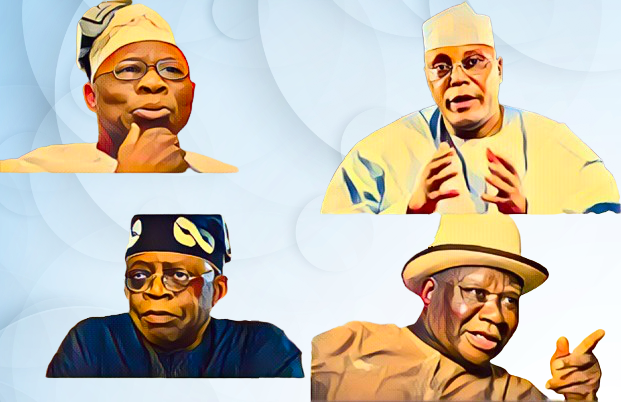
If you’ve ever followed Nigerian politics, you’ve probably heard of “political godfathers.” These are the power brokers who pull the strings behind the scenes, deciding who gets into office and who doesn’t.
While democracy is supposed to be about voters choosing their leaders, godfathers have turned the system into a game where they set the rules.
To really understand Nigeria’s political landscape, you need to dive into the history of these kingmakers, their influence, and the impact they’ve had on the country.
How political godfathers shaped Nigeria’s political evolution
The story of political godfatherism in Nigeria begins in the colonial era, when traditional rulers served as intermediaries between colonial administrators and local communities. This set the stage for a system of power concentration in the hands of a few elites.
When Nigeria gained independence in 1960, this dynamic persisted. Regional leaders became the new godfathers, controlling political outcomes in their territories. Figures like Ahmadu Bello in the North and Obafemi Awolowo in the West weren’t just politicians—they were kingmakers.
The military era (1966–1999) didn’t weaken the grip of godfathers. Instead, it pushed them behind the scenes, where they influenced appointments and policy decisions in collaboration with military rulers.
When democracy returned in 1999, godfatherism came back in full force. Bola Tinubu, for example, became one of the most prominent political godfathers in Lagos State, shaping its leadership for decades. Across the country, the influence of godfathers became entrenched, ensuring that no major political move could happen without their blessing.
The power and consequences of godfatherism
Political godfathers in Nigeria thrive on two things: money and connections. They fund campaigns, mobilize voters, and control political party structures. Essentially, they decide who gets to run for office and who doesn’t.
While this system has its benefits—some godfathers mentor younger politicians and provide stability—it often undermines democracy. Elections become about loyalty to a godfather rather than competence or public service.
Take the relationship between Chris Ngige and Chris Uba in Anambra State. Ngige became governor with Uba’s backing but clashed with his godfather when he tried to act independently. The fallout highlighted how godfatherism prioritizes control over governance.
The impacts aren’t limited to politics. The socio-economic consequences are staggering. Resources are often diverted to maintain loyalty networks, leaving public services underfunded. In a country already battling poverty, this perpetuates inequality and stunts development.
Why godfathers dominate Nigeria’s political landscape
Weak institutions and economic hardship are the perfect recipe for godfatherism. Political parties lack internal democracy, giving godfathers free rein to manipulate party structures. At the grassroots level, many voters depend on godfathers for financial support, creating a cycle of dependency that’s hard to break.
Corruption fuels this system. By diverting state resources into patronage networks, godfathers build influence and maintain control. And because there’s little accountability, the cycle repeats itself election after election.
Can Nigeria move beyond godfatherism?
Challenging the dominance of political godfathers is no small task, but progress is being made. Electoral reforms, such as the introduction of electronic voting, have started to limit their influence. Strengthening institutions like the Independent National Electoral Commission (INEC) is another critical step.
Public awareness is also growing. Social media and grassroots movements are exposing corruption and mobilizing voters to demand better governance. Younger Nigerians, in particular, are pushing for change, challenging the old ways, and redefining what leadership should look like.
But real change requires systemic reform. Political parties need to democratize their processes, and campaign financing must be regulated to reduce the financial leverage of godfathers.
What lies ahead for Nigeria
The influence of political godfathers isn’t going to disappear overnight, but the cracks in their dominance are starting to show. Technology, public awareness, and youth participation are disrupting traditional power structures.
The big question is whether Nigeria can build strong institutions to replace the role that godfathers currently play. If that happens, the country could finally have a political system where merit, not manipulation, determines success.

