

KEY POINTS
- Obi of Onitsha pleads against corruption, saying milking will make Nigeria’s resources dry.
- They stress the construction of national consensus, Political reform, and reorienting the voters.
- Nigeria is stymied by weak institutions, as well as weak or non-existent punishment of corruption.
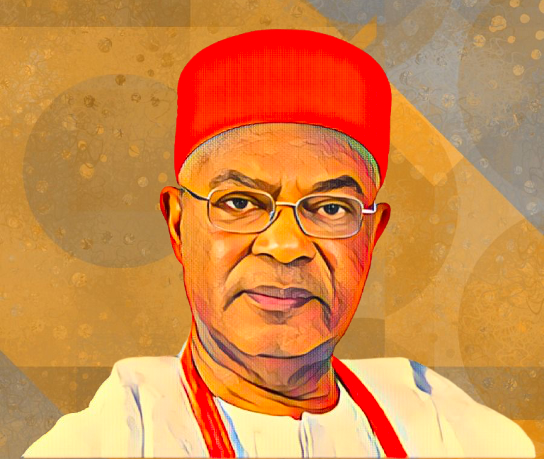
Nigeria’s political class should put national interest above personal, sectional gains, else the nation’s resources will be ‘milked like a cow’ till they will become dry, warns the Obi of Onitsha, His Royal Majesty, Nnaemeka Achebe.
The message was delivered by his Royal Majesty, at the public presentation of Bold Leap, an autobiography by Senator Chris Anyanwu in Abuja.
Achebe’s address spelled out the necessity for reform, and called on the country’s political elite to move away from serving themselves to instead join in efforts towards national growth.
Otherwise, he warned that politicians would exhaust the resources of the country. He said the need for radical change in governance was imminent because otherwise, if we further suck the cow, it would die.
A call for national consensus and reform
Other prominent speakers at the event, including the former Ekiti State Governor, Dr. Kayode Fayemi, had earlier shared Achebe’s views on the Nigerian political environment, describing it as “electorialism”, not the true democracy.
Emphasizing the need for a national consensus to resolve systemic issues and to lead the nation to meaningful development, Fayemi said.
Accordingly, he noted that in order to continue its journey, Nigeria ‘needs a vision that will take us to the year 10, 20 or even 50 years from now.’
Nigeria redesigning its political system
Civil rights activist Dr. Briggs in her speech, called for a total overhaul of Nigeria’s political system.
She posited that the electorate must bear greater responsibility in the election of people to lead. And she accused the Independent National Electoral Commission (INEC) of failing to give Nigerians a level playing field to elect competent leaders.
Nigeria also lacks strong institutions, Senator Enyinnaya Abaribe lamented. This, he said, was an example of how weak institutions have slowed down the country’s progress, citing the lenient sentence handed down to a public official convicted of embezzling over N23 billion.
He’s calling for reforms to make sure people in power are accountable for their actions.
Societal reorientation urgency
Dr. Aminu Gamana then noted that the pervasive cultural rotation of corruption and political apathy requires a societal reorientation to place the business of governance back on track.
Without that kind of shift, the country would carry on suffering elections that bring to power so called leaders who hate the people they supposedly represent, he lamented.

