

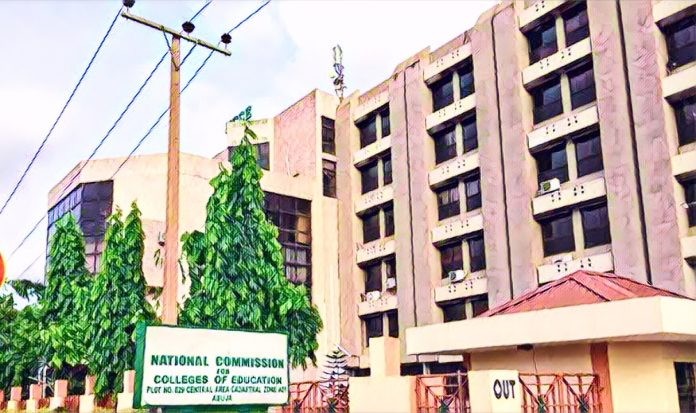
Colleges of Education in Nigeria, once prestigious institutions, now suffer a decline in both enrollment and esteem. The youth often overlook these colleges, favoring universities or polytechnics for their studies. This neglect has seen the colleges’ role in producing quality teachers diminish significantly, sparking concerns over the future of education in the country.
Initially established as Advanced Teachers’ Colleges in response to the Ashby Commission’s 1958 report, these institutions aimed to elevate the teaching profession’s standards. However, despite their critical role in the past, they’ve faced a continuous slide down the preference ladder among students and educational authorities alike.
Professor Nike Ijaiya, speaking at Kwara State College of Education’s convocation, highlighted the global rise in educational standards, noting the stress it places on educators and institutions. The rapid changes and advancement in Information and Communications Technology (ICT) demand a new approach to teaching, one that ensures students are well-versed in diverse disciplines and adaptable to various challenges.
However, skepticism abounds regarding the ability of traditionally trained educators to forge a new generation of digital-savvy teachers. This dilemma is further compounded by findings showing a significant proportion of current teachers failing competency tests, as seen in shocking literacy and numeracy assessments for public primary school teachers in northern Nigeria.
Presently, Nigeria boasts 152 accredited colleges of education, including 21 federal, 49 state, and 82 privately-owned institutions. Yet, their struggle is universal: dwindling enrollment figures, deteriorating infrastructure, and poor funding lead to a critical shortage of qualified teachers. Statistics from the Joint Admissions and Matriculation Board (JAMB) illustrate this crisis, with a minuscule percentage of candidates opting for Colleges of Education in recent years.
Compounding these issues are the uncompetitive salaries for teaching professionals, further discouraging enrollment in educational colleges. According to Dr. Smart Olugbeko, President of the Colleges of Education Academic Staff Union (COEASU), the severe underfunding has hindered these institutions from meeting global educational standards, affecting the quality of graduates.
According to a report by The Guardian, Educational experts like Professor Stella Nwosisi argue against lowering entry standards as a solution. Instead, they advocate for enhanced funding, better facilities, motivated staff, and a curriculum overhaul to produce the skilled educators required in modern classrooms.
Stakeholders call for urgent reforms, emphasizing the need not to dilute standards but to bolster the teaching profession’s appeal and quality. Dr. Olu Adesoga suggests a curriculum that aligns with market needs, preparing graduates for the realities of the 21st century. Concurrently, experts like Michael Avosetinyen, a former COEASU chairman, warn against seeing Colleges of Education as lesser options, advocating for maintaining rigorous entry standards to preserve the teaching profession’s integrity.
In conclusion, reviving Nigeria’s Colleges of Education necessitates multifaceted reforms. From financial injections and infrastructural revamp to curriculum reviews and safeguarding entry standards, a concerted effort is imperative to restore these institutions to their former glory, safeguarding the future of education in Nigeria.

