

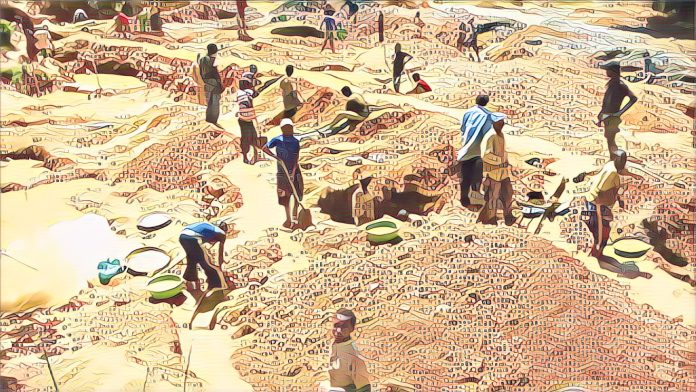
In the remote villages of Plateau State, Nigeria, a hidden tragedy is unfolding. Hundreds of children, some as young as six, abandon school to work in the mines, digging for gold with their bare hands. They are exposed to dangerous chemicals, dust, and accidents that can maim or kill them. They are also vulnerable to exploitation, abuse, and trafficking by unscrupulous mine owners and middlemen.
This is the grim reality of child labor in Nigeria’s mining sector, which has been largely overlooked by the government and the media. According to a 2018 report by the International Labour Organization (ILO), Nigeria has the highest number of child workers in sub-Saharan Africa, with about 15 million children engaged in various forms of labor. Of these, about 40 percent are in hazardous work, including mining.
The report also found that Nigeria has not made sufficient progress in eliminating child labor despite ratifying several international conventions and enacting national laws to protect children’s rights. The main challenges include poverty, lack of education, weak enforcement, and cultural norms that accept child work as necessary.
The situation is particularly dire in Plateau State, where gold mining is a lucrative but unregulated activity. The state has abundant deposits of gold, tin, and other minerals that attract thousands of artisanal and small-scale miners from within and outside the country. However, most of these miners operate illegally, without licenses or environmental standards. They also employ children to perform tasks such as digging, crushing, washing, and panning for gold.
The children who work in the mines often earn less than $2 a day, barely enough to survive. They also miss out on education and social development, which can have long-term consequences for their future. Many of them suffer from health problems such as respiratory infections, skin diseases, eye irritation, and mercury poisoning. Mercury is a toxic substance used to extract gold from ore, which can damage the nervous system and cause birth defects.
Some children working in the mines are orphans or from broken homes. Others are sent by their parents or relatives who see mining as a way to supplement their meager income from farming or petty trading. Some are lured by false promises of quick money or better opportunities and even sold or trafficked by their families or community members.
The Nigerian government has acknowledged the problem of child labor in mining and has taken some steps to address it. In 2019, it launched a national action plan to eliminate child labor by 2025, focusing on mining and agriculture. It also signed a memorandum of understanding with the ILO and other partners to implement a project called CARING Gold Mining Project, which aims to reduce child labor and improve working conditions in artisanal and small-scale gold mining.
However, these efforts have not been enough to curb the widespread and entrenched practice of child labor in mining. The government needs to do more to enforce its laws and regulations, monitor and sanction violators, provide alternative livelihoods for poor families, and ensure access to quality education for all children.
The children who work in the mines deserve a chance to enjoy their childhood and pursue their dreams. They need protection, support, and empowerment from all stakeholders, including the government, civil society, the media, and the international community. They also need awareness and advocacy from people like you who care about their plight.
You can help by sharing this article with your friends and family, signing petitions or campaigns against child labor in mining, donating to organizations that work on this issue, or volunteering your time or skills to support their cause. Together, we can make a difference in the lives of these children and end this dark side of mining.
Source: Tribune Online

