

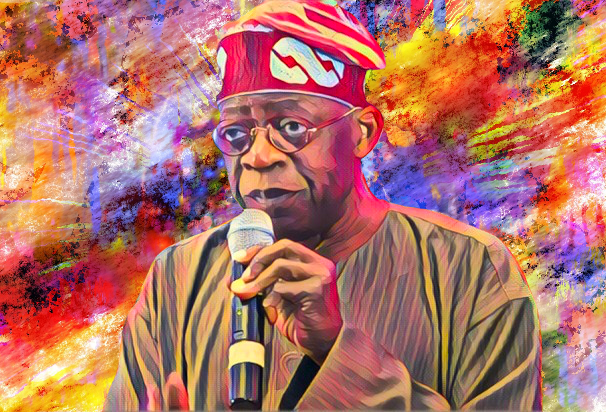
ADDIS ABABA, Ethiopia — Nigeria and Brazil have agreed to deepen their bilateral relations in various fields, following a historic meeting between their leaders on Sunday.
President Bola Tinubu of Nigeria and President Luiz Inácio Lula da Silva of Brazil met in Addis Ababa, Ethiopia, where they attended the African Union summit. The two leaders exchanged views on how to enhance cooperation in trade, energy, agriculture, education, and security.
Both presidents expressed their readiness to break down the barriers that have hindered the full potential of their partnership. They also reaffirmed their commitment to fighting corruption, promoting democracy, and advancing sustainable development.
Trade and Investment Opportunities
Nigeria and Brazil have a long and rich history of trade and cultural ties, dating back to the colonial era. However, in recent years, their economic relations have declined, with their trade volume dropping from more than $10 billion in 2019 to $1.6 billion in 2023.
President Lula da Silva said he was determined to reverse this trend and restore the good relations with Nigeria. He said he could not imagine that two countries with such large and vibrant populations did not have strong economic links.
He proposed to increase the trade and investment opportunities between the two countries, especially in the areas of aviation, agriculture, and industry. President Lula da Silva also suggested to establish direct flights between Lagos and Sao Paulo, and to facilitate the exchange of students, researchers, and entrepreneurs.
President Tinubu welcomed the Brazilian leader’s proposals and said Nigeria was ready to remove all encumbrances to business. He said his administration was investing in critical sectors like healthcare, education, and infrastructure, and was implementing reforms in the state-owned oil company, NNPCL.
President Tinubu said Nigeria was keen to learn from Brazil’s achievements in agriculture, which has made it one of the world’s leading food producers and exporters. He also expressed interest in collaborating with Brazil on renewable energy sources, such as biofuels and solar power.
Security and Regional Stability
The two leaders also discussed the security challenges facing their regions and the world at large. They condemned the acts of terrorism, extremism, and violence that have plagued Africa and South America, and pledged to work together to combat these threats.
They also expressed their support for the efforts of the African Union and the South American Community of Nations to promote peace, stability, and integration in their respective continents. The two leaders called for more dialogue and cooperation among the regional and global actors to address the common challenges of poverty, inequality, and climate change.
President Tinubu thanked President Lula da Silva for Brazil’s solidarity and assistance to Nigeria in its fight against the Boko Haram insurgency, which has displaced millions of people and caused widespread humanitarian crisis. He also commended Brazil for its role in the United Nations peacekeeping missions in Africa, especially in the Democratic Republic of Congo and Mali.
President Lula da Silva praised President Tinubu for his leadership and vision in transforming Nigeria into a prosperous and influential nation. He also lauded Nigeria for its contributions to the maintenance of peace and security in Africa, especially in the Lake Chad Basin and the Gulf of Guinea.
A New Era of Friendship
The meeting between the two leaders marked a new era of friendship and cooperation between Nigeria and Brazil, the largest democracies in Africa and South America, respectively. They agreed to work out the modalities for a state visit to Brazil by President Tinubu, after President Lula da Silva extended an invitation, which the Nigerian leader warmly accepted.
The two leaders also agreed to form a joint committee of cabinet members who will work directly to develop a joint plan of action for the benefit of their two countries. They said they were confident that their partnership will yield positive results for their peoples and for the world.
They ended their meeting on a note of hope, saying that Nigeria and Brazil share many similarities and aspirations, and that they will overcome the challenges of the past and seize the opportunities of the future.
Source: Vanguard

