

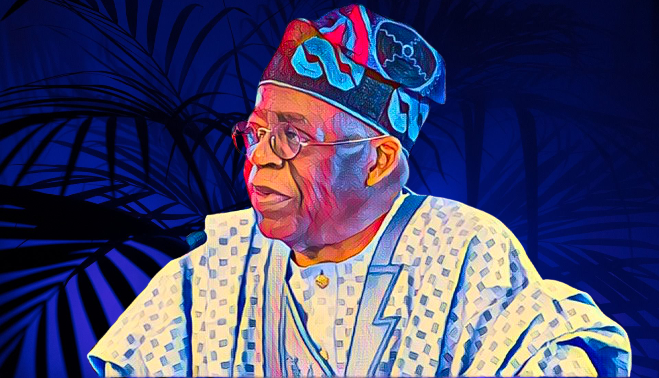
The future of Nigeria’s border closures rests in the hands of President Bola Tinubu, as citizens and trade communities anxiously await a decision that could significantly impact the nation’s economic landscape. This announcement came from Mr. Adewale Adeniyi, the Comptroller-General of the Nigeria Customs Service, during a community engagement session at the Kongolam border in Mai’adua Local Government Area, Katsina State.
Responding to the growing calls for the borders to be reopened, Adeniyi conveyed that the presidency is currently engaging in consultations to determine the best course of action. The closure, which has affected numerous communities and trade activities across the country, is under review with a keen eye on fostering economic prosperity and ensuring the free flow of trade.
“The Service is actively working to dismantle barriers to free trade, aligning with the administration’s goal of enhancing economic prosperity,” Adeniyi remarked. Efforts to streamline operations at the border include reducing checkpoints and promoting better collaboration between customs personnel and local traders, addressing one of the significant grievances of border communities.
Adeniyi’s visit also took him to former President Muhammad Buhari and Alhaji Umar Faruq-Umar, the Emir of Daura, signaling the importance of the consultations and the broad spectrum of input being considered. A pivotal aspect of these discussions is the commitment to ensuring that food products produced within Nigeria remain available to the Nigerian market, especially in light of current food insufficiency challenges.
The Customs Service’s proactive measures have also extended to the release of confiscated food items, with the stipulation that these goods are sold within Nigerian markets only. This move, directed by President Tinubu as a response to the border communities’ needs, underscores the government’s dedication to listening and responding to its citizens’ concerns.
Collaboration with police and other agencies is also being ramped up to address the various hurdles to free trade in the border regions. Adeniyi emphasized, “Not all markets near our borders aim to transport goods across them. Our focus remains on ensuring that Nigerian-produced food stays within the country to combat the ongoing national emergency related to food scarcity.”
As Nigeria stands at a crossroads, the decision to reopen the borders carries significant weight for the country’s economic health and community well-being. The discussions and actions taken in the coming weeks will be crucial in shaping Nigeria’s trade policies and its commitment to fostering an environment conducive to economic growth and prosperity.

