

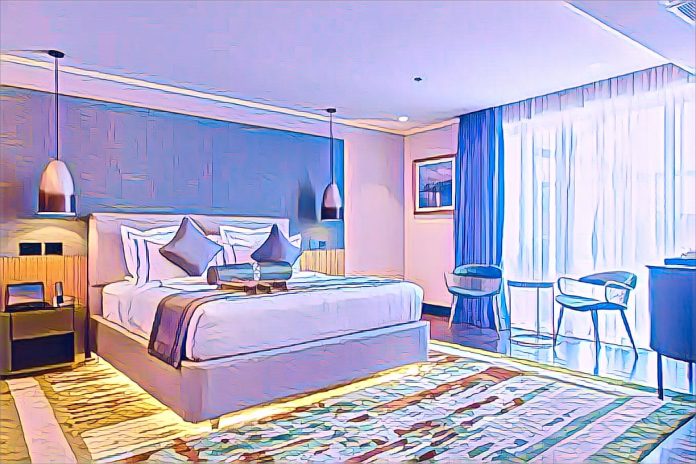
The recently opened Delborough Hotel is making waves with a suite boasting the title of “most advanced room” in the region. A video shared on social media by filmmaker Steven Ndukwu offers a glimpse into this extravagant space, showcasing its blend of cutting-edge technology and opulent comfort.
Tech-Forward Experience
The centerpiece of the suite appears to be its integration of technology. Guests can expect voice-activated controls, allowing them to manage various aspects of the room with just their voice. A central hub provides a convenient command center for lighting, temperature, and other in-room features. Ndukwu highlights a particularly futuristic touch: a sleek television that seamlessly transforms into a mirror when not in use.
Technology takes a backseat to pure indulgence when it comes to the suite’s sleep experience. The focal point is a luxurious “kingdom of heaven” bed, adorned with 1,000 thread count Egyptian cotton sheets. The hotel goes above and beyond with its pillow menu, offering guests a choice between classic duck feathers and a “nanotechnology smart pillow.” This innovative pillow reportedly molds to the sleeper’s head for personalized comfort.
“We really thought through how to provide the best possible experience,” explains a hotel staff member in the video. “We didn’t settle for anything less than 1,000 thread count Egyptian cotton sheets. It’s like sleeping on a cloud.”
Beyond the Suite: VIP Services and Diverse Options
The Delborough Hotel caters not only to the high-tech traveler but also to those seeking an unparalleled level of service. Guests staying in the executive suite or any other room have access to a fleet of 50 luxury cars with experienced chauffeurs, ensuring a seamless and pampered experience throughout their stay.
The hotel understands that guests have varying tastes and budgets. The Delborough Hotel offers a variety of room options beyond the show-stopping executive suite. Visitors can choose from a selection of accommodations, ranging from the more affordable Deluxe Single Standard Room at $205 per night to the opulent Presidential Suite, priced at $1262 per night.
The Delborough Lagos Hotel opened its doors in December 2023, and it’s part of a significant trend in Nigeria’s hospitality industry. The country is experiencing a surge in luxury hotels offering world-class amenities and service, putting Nigerian hospitality on par with developed nations. This trend is driven in part by a growing domestic luxury travel market and a rise in international visitors seeking unique African experiences.
Source: Punch

