

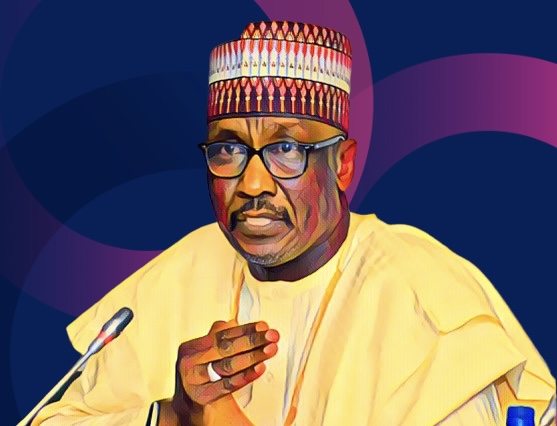
Mele Kyari, Group Chief Executive Officer of the Nigerian National Petroleum Company Limited (NNPCL), has announced that the Port Harcourt refinery will start producing refined petroleum products in August, followed by the Kaduna and Warri refineries in December. Kyari assured the nation during a session with the National Assembly’s Finance Committee that Nigeria will become a net exporter of petroleum products by the end of the year.
Refinery Updates and National Optimism
Addressing the committee, Kyari emphasized the substantial progress made in the refinery rehabilitation projects. “Every technical work required to get the Port Harcourt refinery operational has been completed,” he stated. He acknowledged public skepticism but confirmed that hydrocarbons were already being introduced, indicating the refinery would be operational by early August.
Kyari also detailed the status of the Kaduna and Warri refineries, stressing that their rehabilitation would be completed by December. He clarified, “We are taking every step to ensure that these refineries work. It’s a technical process, and we must address all challenges as they arise.”
Economic Resilience and Future Prospects
During the same session, Central Bank of Nigeria (CBN) representatives and government officials expressed optimism about the country’s economic trajectory. The Governor of CBN, Olayemi Cardoso, represented by his Deputy for Economic Policy, Muhammad Sani Abdullahi, highlighted that Nigeria is emerging stronger from its economic challenges.
Senator Sani Musa, Chair of the Finance Committee, urged Nigerians to persevere, noting that economic indicators show improvement. He emphasized the importance of gradual recovery, stating, “It’s not going to be easy for inflation to drop overnight. However, with positive economic policies and collective support, we will achieve growth.”
Calls for National Support and Patience
Senator Musa highlighted the need for collective effort to support the President and his administration in steering the country towards economic stability. He remarked, “We are representatives of the people, and our concern is the well-being of Nigerians. It will take time, but we must all work together to overcome our economic challenges.”
Officials reiterated the necessity of strategic policies to ensure sustainable economic growth. They acknowledged past economic obstructions but expressed confidence in the country’s potential for recovery and growth.
Source: Vanguard

