

Key Points
- NNPC ends the naira-for-crude deal, forcing refineries to pay in dollars.
- Dangote’s refinery expands crude storage and fuel exports.
- Fuel prices in Nigeria may increase due to higher costs.
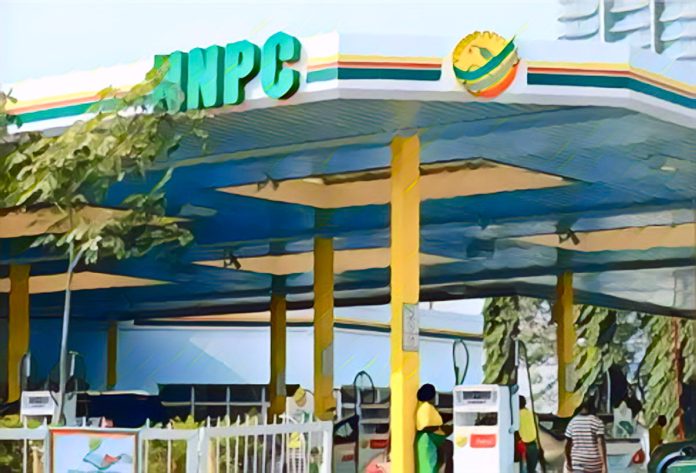
Nigeria’s biggest refinery, owned by billionaire Aliko Dangote, is facing new challenges after the Nigerian National Petroleum Company (NNPC) ended its naira-for-crude swap deal. Now, local refineries must buy crude oil from international suppliers and pay in U.S. dollars instead of naira.
This change will increase production costs and could lead to higher fuel prices in Nigeria.
Why the naira-for-crude deal was important
The naira-for-crude deal started in October 2024 to help local refineries get crude oil easily. It also reduced pressure on Nigeria’s foreign exchange and cut reliance on imported fuel. Now that it’s gone, refineries must buy crude on the global market, which is often more expensive.
Dangote’s refinery, which opened last year, has changed Nigeria’s fuel industry. Located in the Lekki Free Zone, the $20 billion facility has reduced Nigeria’s need for imported fuel, forcing European refiners to find new buyers.
By mid-2024, the refinery was processing 350,000 barrels of oil per day (b/d). By January 2025, it increased to 500,000 b/d. Full capacity is expected to reach 650,000 b/d soon, making it one of the largest refineries in the world.
Dangote refinery’s struggle to get crude oil
Even before this new challenge, the refinery struggled to get enough crude oil. In October 2024, Dangote Group denied reports that it blamed NNPC for supply shortages. Instead, the company pointed fingers at Nigeria’s regulatory body, NUPRC, for not enforcing local crude supply rules.
“In September, we needed 15 cargoes, but NNPC only gave us six. When we asked international oil companies operating in Nigeria, they either redirected us to their trading arms or said their oil was already sold.
Because of this, we often have to buy Nigerian crude from foreign traders at a $3-$4 per barrel markup, which costs millions extra per shipment,” Dangote Group explained.
To keep running, the refinery began importing crude from the United States. In November 2024, it secured two million barrels of WTI Midland crude from Chevron Corp. after a three-month pause.
How this affects fuel prices in Nigeria
NNPC claims it ended the naira-for-crude deal because most of its oil is already sold under long-term contracts, leaving little for local refineries.
However, critics are skeptical, especially since Nigeria’s oil production has increased since the deal was introduced.
Now that local refineries must pay in dollars, smaller ones may struggle to survive. If higher costs are passed to consumers, Nigerians could see an increase in fuel prices.
Despite these problems, Dangote’s refinery is pushing forward. It is now operating at 85 percent capacity, and the company is building more crude storage facilities.
It is adding eight new tanks, four of which are almost finished. Once completed, the refinery’s storage capacity will increase by 41.67 percent to 3.4 billion liters.
Dangote refinery expands beyond Nigeria
While dealing with local challenges, Dangote Refinery is expanding its market internationally. It has already started exporting diesel and aviation fuel to Cameroon, Angola, Ghana, and South Africa.
In a major achievement, it recently supplied jet fuel to Saudi Aramco, the world’s largest oil producer, showing its growing global presence.
NNPC’s decision to end the naira-for-crude deal comes just two weeks after Dangote Refinery cut petrol prices by 7.3 percent, bringing the total reduction since early 2025 to 13.16 percent.
For Dangote, the biggest challenge is not just getting crude oil—it is dealing with Nigeria’s changing policies. The big question is: Will the government change its mind, or will Dangote’s refinery have to find another way to adapt?

