

KEY POINTS
-
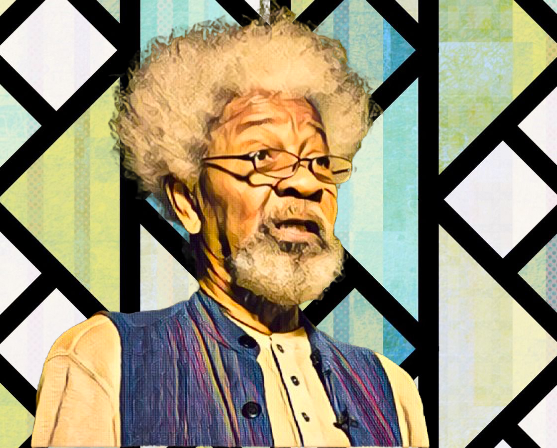
Wole Soyinka has condemned the Nigerian government’s decision to ban Eedris Abdulkareem’s song “Tell Your Papa,” calling it a return to censorship and an attack on free speech.
-
Soyinka linked the song ban to a wider culture of impunity in Nigeria, referencing the failure to punish perpetrators of violent crimes like the recent mob killings in Edo State.
-
The Nobel Laureate urged the Nigerian government to reverse its decision, criticizing its tolerance for sycophants while silencing critics, and called for justice for victims of violence.
Nobel Laureate, Professor Wole Soyinka, has strongly condemned the recent ban placed on Nigerian musician Eedris Abdulkareem’s song titled “Tell Your Papa,” which criticized the administration of President Bola Tinubu.
Channelstv reports that Soyinka has called for the immediate reversal of the ban, which he describes as a return to the culture of censorship that has historically attempted to suppress artistic and socio-political commentary in Nigeria.
Abdulkareem, who has long been known for his outspoken songs, released “Tell Your Papa” as a critique of the worsening economic conditions in Nigeria, particularly aimed at the son of the President, Seyi Tinubu.
In the song, Abdulkareem voices concerns over the ongoing economic hardship and the state of the nation, drawing a sharp contrast to the growing frustration among ordinary citizens.
This led to the Nigerian Broadcasting Corporation (NBC) issuing a directive on April 9, 2025, banning the song from being aired on radio and television stations due to its “objectionable nature.”
In response to the ban, Soyinka, in a statement from New York University, Abu Dhabi, on Sunday, April 13, 2025, described the action as an attempt to stifle free expression and return to an era of repression.
“The banning of Abdulkareem’s song echoes a sad historical trend of stifling any form of dissent in Nigeria. Any government that only tolerates praise-singers and sycophants, while silencing critics, is headed for a dangerous path,” said Soyinka, who is a staunch advocate for freedom of speech.
Soyinka further commented on the absurdity of the situation, stating that while Abdulkareem’s song had been banned, it would likely only boost the artist’s popularity. “Such repressive moves only fuel the fire and increase the artist’s profile. Abdulkareem must be happily warbling his way to the bank, thanks to the free promotion provided by the government,” he said with irony.
The Nobel laureate also highlighted the wider implications of this censorship, linking it to the culture of impunity that has allowed crimes, such as the recent mob killings in Uromi, Edo State, to go unpunished.
Soyinka expressed his dismay over the brutal killing of 19 people by a lynch mob in Edo State, an event that follows the 2022 killing of Deborah Samuel, a student who was murdered by a mob in Sokoto State. Despite the public nature of these crimes, the identified perpetrators were set free, which Soyinka believes demonstrates the government’s failure to uphold justice.
“As long as the culture of impunity is allowed to fester, these heinous crimes will continue. The culprits in such incidents are often in plain sight, yet they face no consequences,” Soyinka added.
He condemned the lack of accountability, urging the government to take action against those responsible for such violence, emphasizing that the government’s failure to act only perpetuates further brutality.
Soyinka offers condolences
In his message of solidarity, Soyinka extended his condolences to the families of the victims of the Edo lynching, lamenting the deepening societal issues in Nigeria. “The gruesome deaths of 19 youths in Edo should not pass as another tragic incident forgotten by society. We must confront the impunity that allows such crimes to happen,” he said.
Soyinka’s comments resonate with broader concerns regarding the suppression of dissent and the failure to address systemic issues that continue to plague Nigeria. His call for a reversal of the song ban, coupled with his condemnation of the increasing impunity, highlights the ongoing struggle for freedom of expression and justice in the country.

