

KEY POINTS
-
Imo government accepts NJC’s verdict on chief judge appointment.
-
The NJC ruled that Nzeukwu’s appointment violated constitutional procedure.
-
The state pledged to implement the NJC’s recommendation immediately.
The Imo State Government examined the decisions of the National Judicial Council at its 108th meeting on Thursday, with a focus on Imo judge nominations.
Imo to comply with NJC’s decision on judge appointment
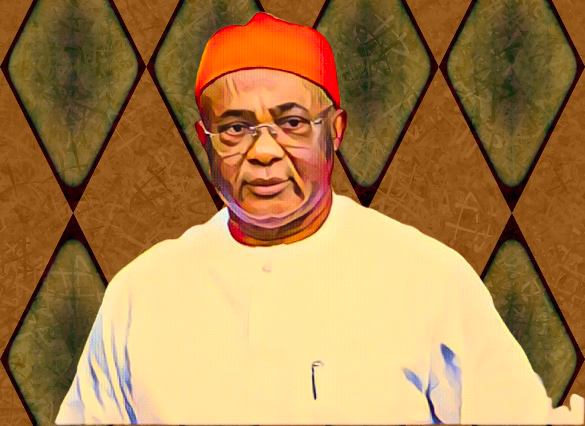
In a statement, Declan Emelumba, the Commissioner for Information, Public Orientation, and Strategy, affirmed that Justice Theophilus Nzeukwu was named the state’s interim Chief Judge by Governor Hope Uzodimma.
Based on reliable evidence indicating that Nzeukwu was the most senior judge without any outstanding disciplinary matters, Uzodimma made the nomination.
According to Punch, the Imo Government provided the Council with its justification and accompanying papers prior to the NJC’s most recent resolution.
Emelumba underlined that the NJC’s constitutional duty and legislative authority to supervise judicial appointments are respected by the government.
Uzodimma’s appointment of justice Nzeukwu now declared void
According to the statement, the government is dedicated to supporting the NJC’s revised stance even though Uzodimma behaved within the law.
On Wednesday, the National Judicial Council ruled that Justice Nzeukwu’s appointment was void and directed Governor Uzodimma to immediately revoke it.
In accordance with constitutional criteria, the NJC ordered the appointment of the seniormost judge in the Imo State judiciary.
Following discussions at its 108th meeting, which was presided over by Nigerian Chief Justice Kudirat Kekere-Ekun on April 29–30, 2025, the Council issued its directive.
The Imo Government responded by affirming that it is taking the required actions to swiftly put the Council’s recommendations into effect.
The decision conforms with Section 271(4) of the Nigerian Constitution (as amended), according to NJC spokesman Kemi Ogedengbe Babalola.
In all judicial nominations, the Imo government restated its dedication to following the law, preserving due process, and honoring the independence of the court.

