

KEY POINTS
-
Northern Nigerian women are redefining entrepreneurship by combining faith, tradition, and ambition in diverse fields like fashion, tech, and agriculture.
-
Despite facing societal and financial barriers, many are thriving through digital platforms, mentorship programs, and grassroots networks.
-
Their growing success is reshaping gender norms and inspiring broader educational and financial reforms across the region.
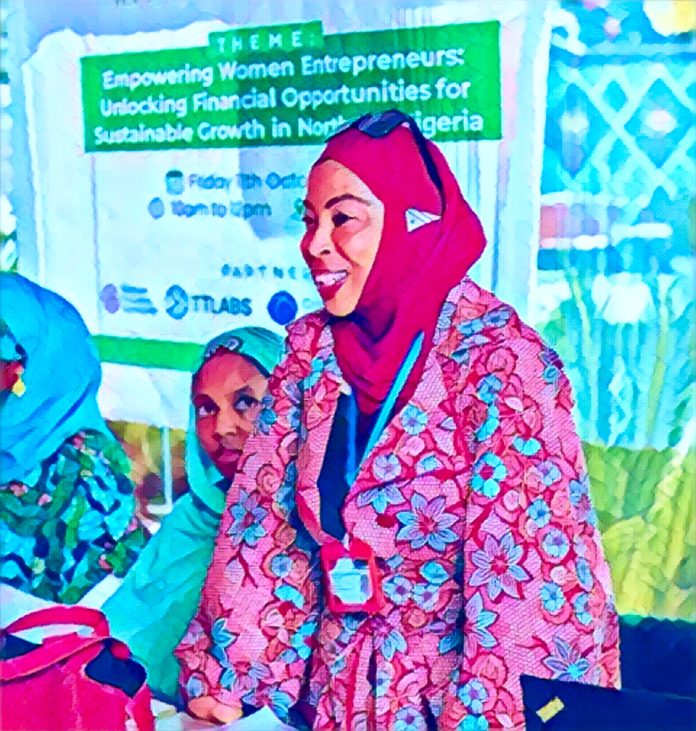
In the bustling markets of Kano, the tech hubs of Kaduna, and the sun-drenched streets of Katsina, a quiet revolution is unfolding with emerging entrepreneurs.
Northern Nigerian women—long overshadowed by conservative norms and economic limitations—are redefining what being entrepreneurs are , blending tradition with innovation, and faith with fierce ambition.
These women, often clad in flowing hijabs and fashionable heels, are not just building businesses—they are challenging stereotypes, transforming communities, and forging a new identity for Northern Nigerian womanhood.
Whether it’s through selling fashion-forward abayas on Instagram, running coding academies in underserved neighborhoods, or launching agro-processing startups, their hustle is unstoppable.
Fatima Shehu, a 32-year-old digital marketer in Kaduna, remembers how people used to react when she mentioned her work in tech. Fatima now runs a digital consultancy that has trained over 300 young women in basic coding and digital marketing. Her clients range from local artisans to SMEs in Lagos and Accra.
A new generation of entrepreneurs rise—educated, ambitious, and rooted in culture
Despite the challenges—ranging from limited access to capital, gender bias, and restrictive societal expectations—these women are carving paths that many thought impossible a generation ago.
What makes their journeys especially remarkable is how they continue to ground their businesses in cultural and religious values.
Take Aisha Usman, a 27-year-old fashion designer from Sokoto. Her brand, “Ameerah Couture,” specializes in modest fashion that appeals to both devout Muslim women and style-conscious youth. “I wanted to show that modesty is not a limitation—it’s a brand of elegance,” she said.
Her designs have been featured in fashion shows across Nigeria and have attracted buyers from as far as the UK and UAE. Yet Aisha, like many others, had to convince her family and community that her vision wasn’t incompatible with Islamic values.
Government and NGO-backed programs are increasingly taking notice. Initiatives like the “Womenpreneur Pitch-a-ton Africa” by Access Bank and the “SheTrades Initiative” by ITC have provided seed capital and mentorship to several Northern Nigerian women.
Local programs such as the Arewa Women Entrepreneurs Network (AWEN) have emerged as lifelines, offering business training and peer support. But even with support, many women report difficulty in scaling their businesses. .
Still, resilience defines these women. They juggle motherhood, marriage, and market competition with a sense of purpose that fuels their dreams. Social media has become a powerful tool—Instagram and WhatsApp status updates have replaced traditional billboards, allowing these entrepreneurs to reach customers far beyond their immediate communities.
There’s growing hope that the successes of these women will spark broader structural change. More schools in the region are introducing entrepreneurship in their curricula. Local banks are being pressured to create women-friendly loan products. And influential religious leaders are increasingly acknowledging that Islam supports women’s economic participation.
As Northern Nigeria continues to grapple with economic disparity and insecurity, these women remain beacons of hope—proof that transformation is possible when courage meets opportunity.

