

KEY POINTS
- Oxford anthropologist Prof. Paul Bagu led a British Museum delegation to the NRC Legacy Museum to explore conservation, restoration and knowledge exchange partnerships
- Bagu referenced a successful railway heritage revival in Freetown, Sierra Leone as a model for community-driven engagement in Nigeria
- The visit included discussions around a historic coach Queen Elizabeth II used during her Nigeria trip, which experts framed as a symbol of shared Anglo-Nigerian railway heritage
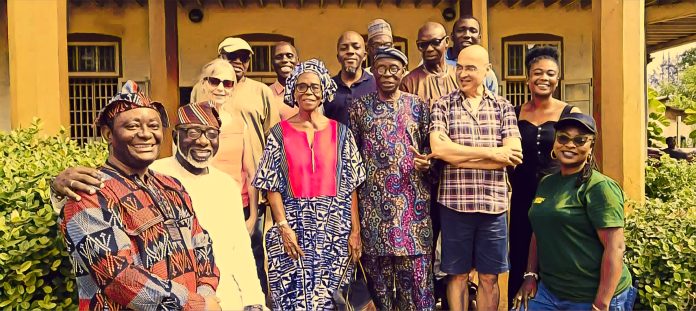
Experts from the British Museum and the University of Oxford visited the NRC Legacy Museum in Lagos Sunday to explore collaboration on preserving Nigeria’s railway heritage, with Oxford anthropologist Prof. Paul Bagu leading the delegation.
Bagu toured key sections of the museum, including the historic Old Running Shed, which houses aging locomotives and coaches in various stages of preservation. He expressed strong interest in restoring the locomotives and emphasized the value of international cooperation in safeguarding Nigeria’s industrial history.
Sierra Leone model offers blueprint for Nigeria
“The NRC Legacy Museum represents a valuable repository of Nigeria’s industrial and cultural history,” Bagu said. “There is significant potential for collaboration in conservation, restoration, and knowledge exchange to ensure these assets are preserved for future generations.”
Bagu also pointed to a railway heritage initiative in Freetown, Sierra Leone, where community enthusiasts drove a museum revival that proved self-sustaining over time, as a model Nigeria could replicate. He further encouraged similar local engagement to support the NRC Legacy Museum’s long-term growth.
Queen Elizabeth’s coach a focal point of heritage talks
Meanwhile, museum President Taye Olaniyi welcomed the delegation and acknowledged retired director Nate Adediron for his contributions to the institution. Olaniyi said the visit reinforces the importance of global partnerships in building the NRC Legacy Museum into Africa’s leading railway heritage destination.
Experts cited the historic coach Queen Elizabeth II used during her Nigeria visit as a compelling symbol of the shared railway history between the two countries. Moreover, the British Museum and Oxford team agreed that positioning the museum as a continental heritage leader requires sustained investment in conservation and community engagement.

