

Key points
-
Dangote signed a $2.5bn deal with Ethiopia to build a major fertilizer plant.
-
The facility will cut Ethiopia’s reliance on fertilizer imports and create new jobs.
-
Dangote expanded his fertilizer footprint beyond Nigeria, boosting Africa’s food security.
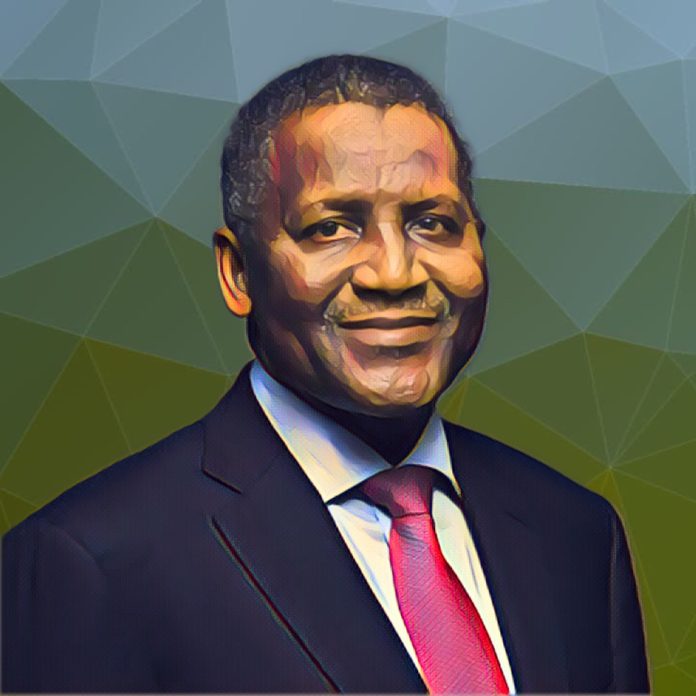
Africa’s richest man, Aliko Dangote, has struck a $2.5 billion agreement with Ethiopia to build and run a large fertilizer plant. The project is one of the biggest industrial investments in the country to date.
The deal, signed in Addis Ababa with state-owned Ethiopian Investment Holdings (EIH), gives Dangote Group a 60 percent stake. EIH will hold the remaining 40 percent.
The plant will be located in the Somali Regional State and is designed to produce three million metric tons of urea each year.
Cutting dependence on costly imports
Ethiopia spends over $1 billion annually on imported fertilizer to support its farming sector, which employs most of its people.
The new facility, fed by nearby natural gas fields through a dedicated pipeline, will ease that burden.
Officials said the project will not only reduce import bills but could eventually allow Ethiopia to export fertilizer across the region. Construction is expected to take 40 months.
Alongside urea, the partners plan to produce ammonium nitrate and ammonium sulfate in the future, diversifying Ethiopia’s agricultural inputs.
The venture is expected to improve food security, protect foreign reserves, and create new jobs. For Dangote, it signals a stronger push into agribusiness beyond his Nigerian base.
Building on Nigerian success
This move comes as Dangote Fertilizer Limited prepares for a listing on the Nigerian Exchange, with analysts valuing the firm at over $3 billion.
In Nigeria, the group already runs Africa’s largest fertilizer plant in Ibeju Lekki, Lagos. The facility, spread across 500 hectares, can produce three million metric tons of urea annually—twice Nigeria’s domestic need.
Excess supply is exported to neighboring markets, giving farmers cheaper options while strengthening regional trade.
Bloomberg recently valued the Lagos plant at $3.02 billion, even at half capacity.
Dangote bets on Africa’s food future
By expanding into Ethiopia, Dangote is positioning himself at the heart of Africa’s rising fertilizer demand.
The move broadens his empire beyond cement and oil refining, placing agriculture at the center of his long-term strategy.
For the billionaire, whose fortune Bloomberg pegs at $28.7 billion, the deal is more than just business. It reflects a push to help Africa grow more of its own food while reducing its reliance on expensive imports.

