

Key points
-
Dangote refinery sends first gasoline cargo to the U.S.
-
Nigeria shifts from fuel importer to international fuel supplier.
-
Shipment strengthens Africa’s push for energy independence.
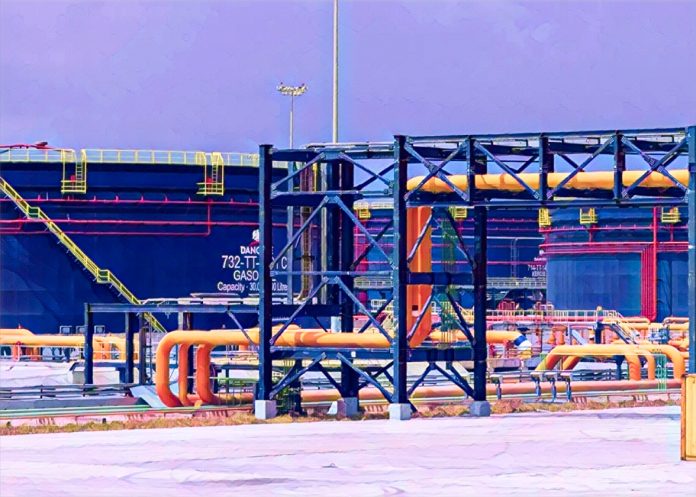
Nigeria has made a historic move in global fuel trade. The Dangote Petroleum Refinery, owned by billionaire Aliko Dangote, has sent its first gasoline cargo to the United States.
The shipment, about 300,000 barrels, left the refinery’s jetty near Lagos on Aug. 26 aboard the vessel Gemini Pearl.
Shipping trackers show it is heading for the U.S. East Coast and is expected to discharge in New York or New Jersey.
For the first time, Nigeria is exporting gasoline directly to America. In the past, it sold crude oil to U.S. refiners but imported most of its fuel. The move signals a major shift for Africa’s biggest oil producer.
Dangote refinery widens its reach
The refinery, with a capacity of 650,000 barrels a day, has quickly started building a footprint beyond Africa.
Since June, it has shipped gasoline, diesel, and jet fuel to Asia and the Middle East, competing with some of the world’s biggest refiners.
Industry sources believe global trading giant Vitol may have arranged the U.S.-bound cargo, although this has not been confirmed.
The timing is strategic: American fuel inventories on the East Coast are running low, and prices are rising, creating openings for new suppliers.
With refineries in Saudi Arabia and Kuwait offline for maintenance or outages, and Europe limiting imports from India, Dangote’s refinery is filling gaps that would have been hard to cover just months ago.
Dangote focuses on refining and fertilizer
For Aliko Dangote, the refinery is more than a business venture. He recently stepped back from his cement empire to put more energy into refining and fertilizer production, part of a bigger plan to reduce Africa’s dependence on imports.
“This refinery is about Africa taking control of its resources,” Dangote said in a recent address. “It is about energy independence for the continent.”
For Nigeria, the refinery’s success could reshape the economy. After decades of spending billions on fuel imports, the country can now meet local demand and reach new markets abroad.
The first U.S. shipment may not transform America’s fuel market overnight, but it opens a trade link across the Atlantic that never existed before — and sets the stage for more exports in the future.

