

Key Points
-
NLC says ‘no work, no pay’ policy is unfair and unjust.
-
Joe Ajaero blames unfulfilled agreements for repeated strikes.
-
Unions plan joint response to government’s neglect of education.
The Nigeria Labour Congress has criticized the federal government’s “no work, no pay” directive, calling it unfair and counterproductive.
The NLC said workers can’t be expected to remain productive when they’re denied their wages.
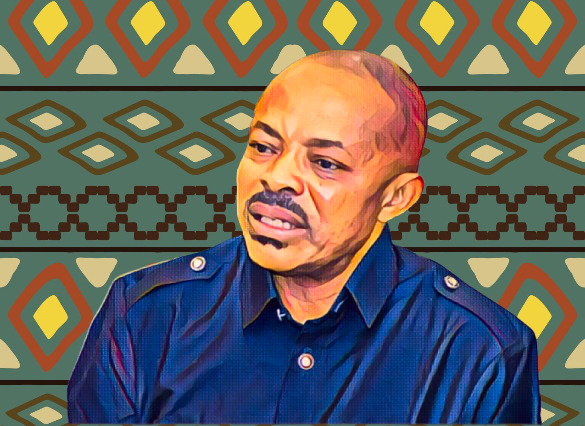
NLC President Joe Ajaero made the remark on Wednesday after meeting with Governor Alex Otti of Abia State in Nvosi, Isiala Ngwa South.
He said the union’s stance hasn’t changed. “Our position remains simple. No pay, no work,” he said.
Labour faults government over unpaid entitlements
The federal government had, in a circular dated October 13 and signed by Education Minister Tunji Alausa, ordered vice-chancellors of federal universities to enforce the “no work, no pay” policy against members of the Academic Staff Union of Universities (ASUU) currently on strike.
Ajaero said it was illogical for the government to expect productivity from workers who haven’t been paid.
He described the policy as “unjust and insensitive,” adding that the government’s failure to honour agreements has caused repeated strikes in the education sector since 2009.
“The cause is non-payment, and the consequence is no work,” he said. “The government can’t continue to punish workers for its own failures.”
Unions plan joint action
Ajaero said all education sector unions will meet on Monday to discuss a joint response to what he called the government’s neglect of the sector.
He said no nation can develop without a strong education system and warned that Nigeria’s continued indifference was destroying its human capital base.
“Threats of withholding salaries discourage teachers and lecturers. Many have left the country because of poor welfare and harsh conditions,” he said.
He added that fixing education would strengthen Nigeria’s economy and help promote stability across all levels of society.