

Key Points
-
Nigeria 2025 licensing round targets major gas assets.
-
Government shifts focus toward gas-led energy growth.
-
Investors eye opportunities in Nigeria 2025 licensing round.
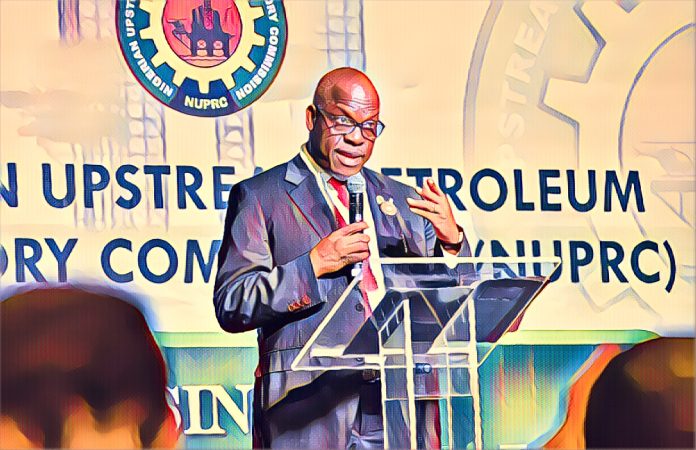
Nigeria will open its 2025 oil and gas licensing round in December, signaling a renewed push by the government to attract investment into exploration, particularly in gas-rich basins. The plan was confirmed by the Nigerian Upstream Petroleum Regulatory Commission (NUPRC), led by Chief Executive Gbenga Komolafe, who has been steering industry reforms since the passage of the Petroleum Industry Act (PIA) in 2021.
Nigeria 2025 licensing round targets gas assets
Komolafe said the upcoming round will include onshore, shallow-water, and deep-water blocks, with a deliberate emphasis on gas assets that align with Nigeria’s “Decade of Gas” agenda. The government is seeking to leverage its estimated 209 trillion cubic feet of proven gas reserves at a time when global energy markets are shifting toward lower-carbon fuels. Officials say the licensing round is designed to unlock stranded gas, support domestic power supply, and strengthen export capacity through LNG and pipeline projects.
Investors eye renewed opportunities in the bid round
International oil companies including Shell Plc, TotalEnergies SE, and ExxonMobil Corp.—all of which maintain upstream operations in Nigeria—are expected to review the new acreages. Independent local players such as Seplat Energy Plc, Oando Plc, and First E&P are also likely contenders, given their growing interest in gas-based portfolios.
The NUPRC is preparing detailed bid criteria, including signature bonus requirements, work program commitments, and environmental compliance obligations. Komolafe has stated that the 2025 framework will reflect more transparent fiscal terms to improve competitiveness and reduce the bureaucratic bottlenecks that slowed previous rounds.
Government shifts toward gas-led energy development
Nigeria’s Minister of State for Petroleum Resources (Gas), Ekperikpe Ekpo, has consistently pushed for accelerated gas development to support industrialization and stabilize electricity generation. He argues that new upstream investments will complement ongoing projects, including the Nigeria-Morocco Gas Pipeline, the expansion of NLNG’s Train 7, and multiple mini-LNG initiatives.
Government officials believe the licensing round could help reverse declining exploration activity, renew investor confidence, and broaden federal revenue beyond oil. Industry analysts note that success will depend on consistent regulation, faster project approvals, and improved security in oil-producing regions.
Nigeria last held a major licensing round in 2022, but industry enthusiasm was subdued due to fiscal uncertainty and global risk aversion. Authorities say the 2025 round is structured to avoid those pitfalls.

