

KEY POINTS
- CBN gives fintech licenses the ability to operate on a nationwide level.
- Companies need to have more money and follow the rules better.
- CBN makes fintech licenses better while making digital finance oversight stricter.
The Central Bank of Nigeria has given many top fintech companies and microfinance banks national operating licenses. This means that they can now do business all over the country as long as they satisfy the rules set by the government.
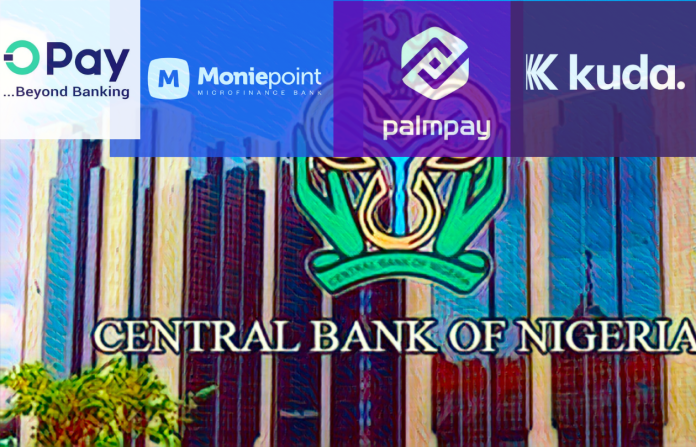
The move includes fast-growing companies like Moniepoint MFB, Opay, Kuda Bank, Palmpay, and Paga, which have grown quickly through mobile platforms and large networks of agents. Their rise drove them above the limitations of regional licenses, which led the regulator to make their reach official across the country.
Yemi Solaja, who is in charge of the Other Financial Institutions Supervision Department at the CBN, confirmed the decision in Lagos during the yearly meeting of the Committee of Heads of Banks’ Operations. He noted that the institutions already do business all around the country and have now fully complied with licensing laws.
CBN upgrades fintech licenses across the country
Solaja stated that the central bank expects the newly licensed banks to have a better physical and operational presence, especially when it comes to dealing with customers and resolving disputes. He said that most people who use digital financial services work in Nigeria’s informal economy and need easy ways to get in touch when there is an issue.
Solaja said, “Institutions like Moniepoint MFB, Opay, Kuda Bank, and others have now been improved.” “In practice, their operations are already nationwide.”
With national licenses come more rules to follow. Microfinance banks that have been approved by the national government must have at least N5 billion in capital, which is a lot more than the minimum for regional banks. The CBN also wants them to set up offices where customers may file complaints, deal with compliance issues, and talk to supervisors.
The licenses as oversight gets stricter
Furthermore, the regulator says the measures aim to balance innovation and stability as fintech companies increasingly take on roles in payments, savings, and loans for individuals and small businesses.
After a time of tougher policing in Nigeria’s digital finance sector, the licensing upgrade comes. The CBN penalized Moniepoint and Opay N1 billion each in 2024 for not following know-your-customer rules. This showed that fast expansion would not be enough to make up for insufficient oversight.
The central bank seems to be promoting scale under greater supervision by giving out national licenses while making standards stricter. Officials believe the framework helps people who don’t have access to financial services while also making consumer protection and anti-money-laundering standards stronger.
For the fintechs, having national status makes things clearer and gives them legitimacy as they grow their services beyond state lines. It gives regulators more control over corporations that are now very important in regular financial operations in Nigeria.

